


The Destination · 10 min read
Our first trip to Paris with our ten-year-old daughter—and why the city’s greatest gifts aren’t always the ones you plan for.
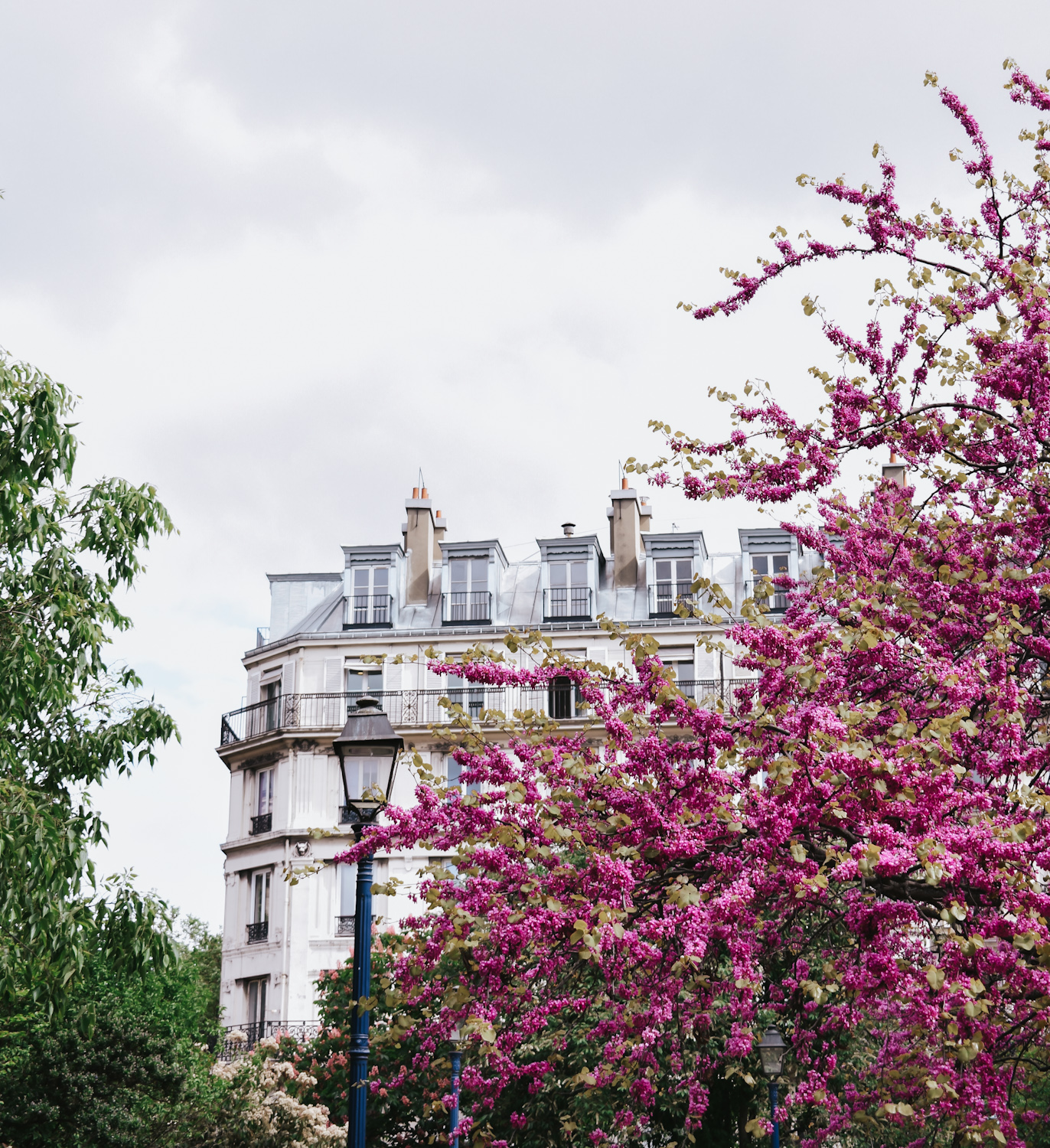
Paris was a promise.
Our daughter had loved the idea of it for years before we ever booked a flight—the way certain children choose a place long before they’ve seen it and carry it around like a secret. Paris had become hers long before it became ours.
When she turned ten, we decided it was time to make good on that promise. It would be our first trip overseas as a family. We had no idea what we were doing. Travel has become one of the ways we try to introduce our children to beauty, history, and the places that have shaped the world.
Looking back, that may have been one of the best parts.
Where We Stayed
We stayed in Airbnbs for this trip, which isn’t typically our preference—we’re hotel people by nature and by inclination.
But Paris made a convincing case for doing things differently.
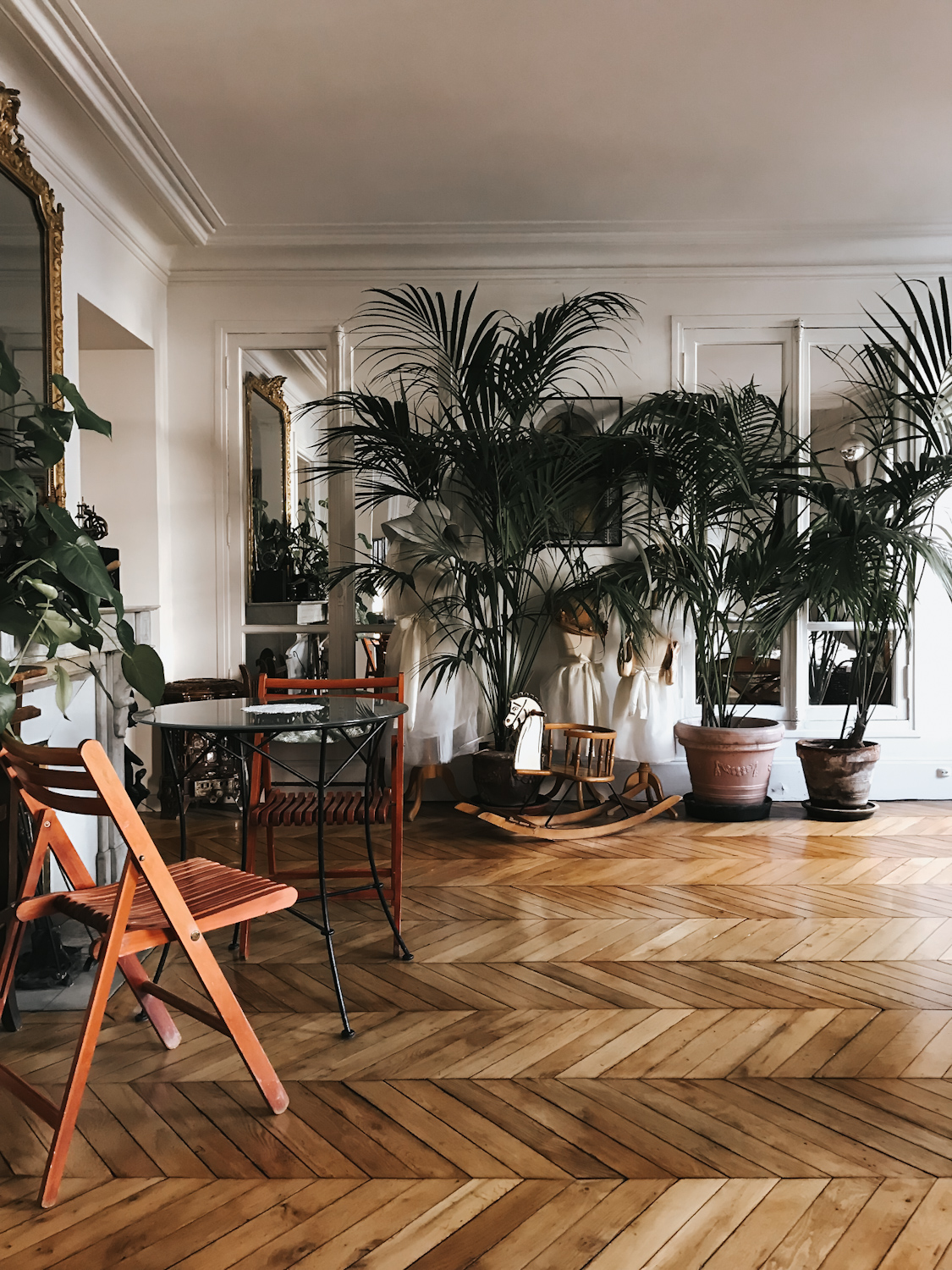
After more research than certainty, we booked one apartment in the 3rd arrondissement and another in the 4th after returning from London. Both were in the Marais.
We had never been to Paris, so our decision was based on everything we could gather beforehand rather than firsthand experience. Looking back, I don’t think we could have chosen a better neighborhood for a first visit.
The Marais is endlessly walkable, with medieval streets, remarkable architecture, neighborhood cafés, bakeries, and quiet squares that invite you to slow down. It’s the kind of place where simply wandering becomes the day’s itinerary, and for us, that turned out to be one of the greatest gifts Paris had to offer.
We still generally prefer hotels, but for this trip, staying in the Marais allowed us to experience the city in a way I don’t think we would have otherwise.
Arrival Day
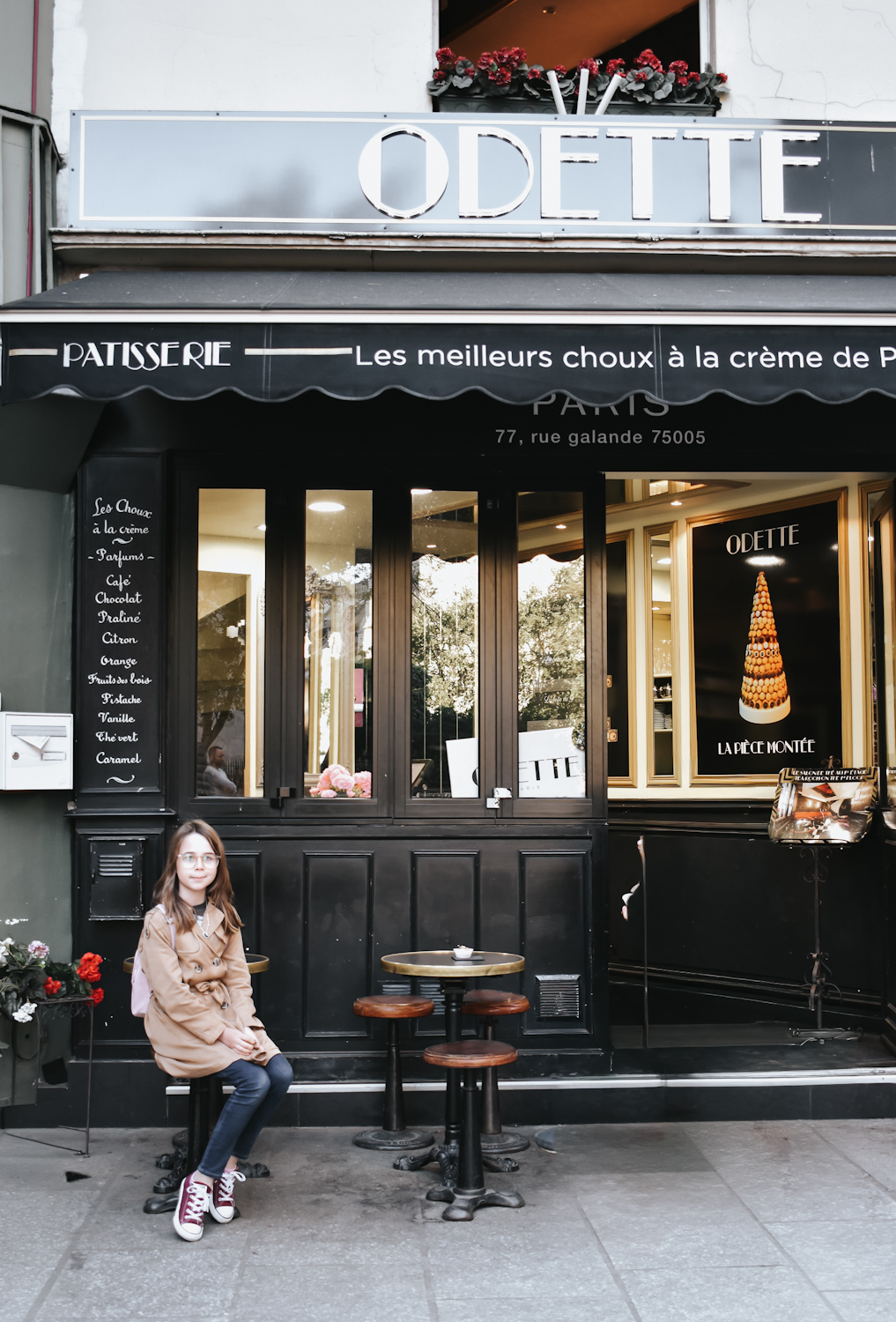
We landed tired in the way only an overnight flight across the Atlantic can make you—equal parts excitement and complete exhaustion. The apartment wasn’t ready yet, so we did what now feels like the only reasonable thing to do: we found the nearest boulangerie, pointed to whatever looked best, and sat outside to eat pastries.
I can’t remember exactly what we ordered. I only remember the feeling that the trip had finally begun.
We returned to the apartment for a long nap, woke in the late afternoon, and stepped back out into Paris.
That first evening we wandered.
No reservations. No itinerary. Just the streets of the Marais, following whatever caught our attention.
I remember the strange feeling of recognizing a city I had never been to before. Every few steps there was another detail that felt unmistakably Parisian—the limestone façades, café terraces spilling onto the sidewalks, flower boxes at apartment windows, the quiet confidence with which the city simply exists. It was less like discovering a new place than realizing the place you had imagined all those years actually existed.
We eventually found a small neighborhood restaurant simply because it looked right.
It was.
Looking back, I think we learned one of the most valuable lessons of the trip on that first evening: Paris rewards curiosity more than efficiency. It’s the same philosophy that shapes the way we think about travel in general. The city is generous to people willing to leave room for surprise.
Sainte-Chapelle
If you go to Paris and have time to see only one place, make it Sainte-Chapelle.
We visited on our first full morning, arriving early before the crowds. Even after years of seeing photographs, reading about it, and hearing other travelers insist that it was a must-see, nothing prepared us for what waited upstairs.
You climb an ordinary staircase and emerge into something that hardly seems possible.
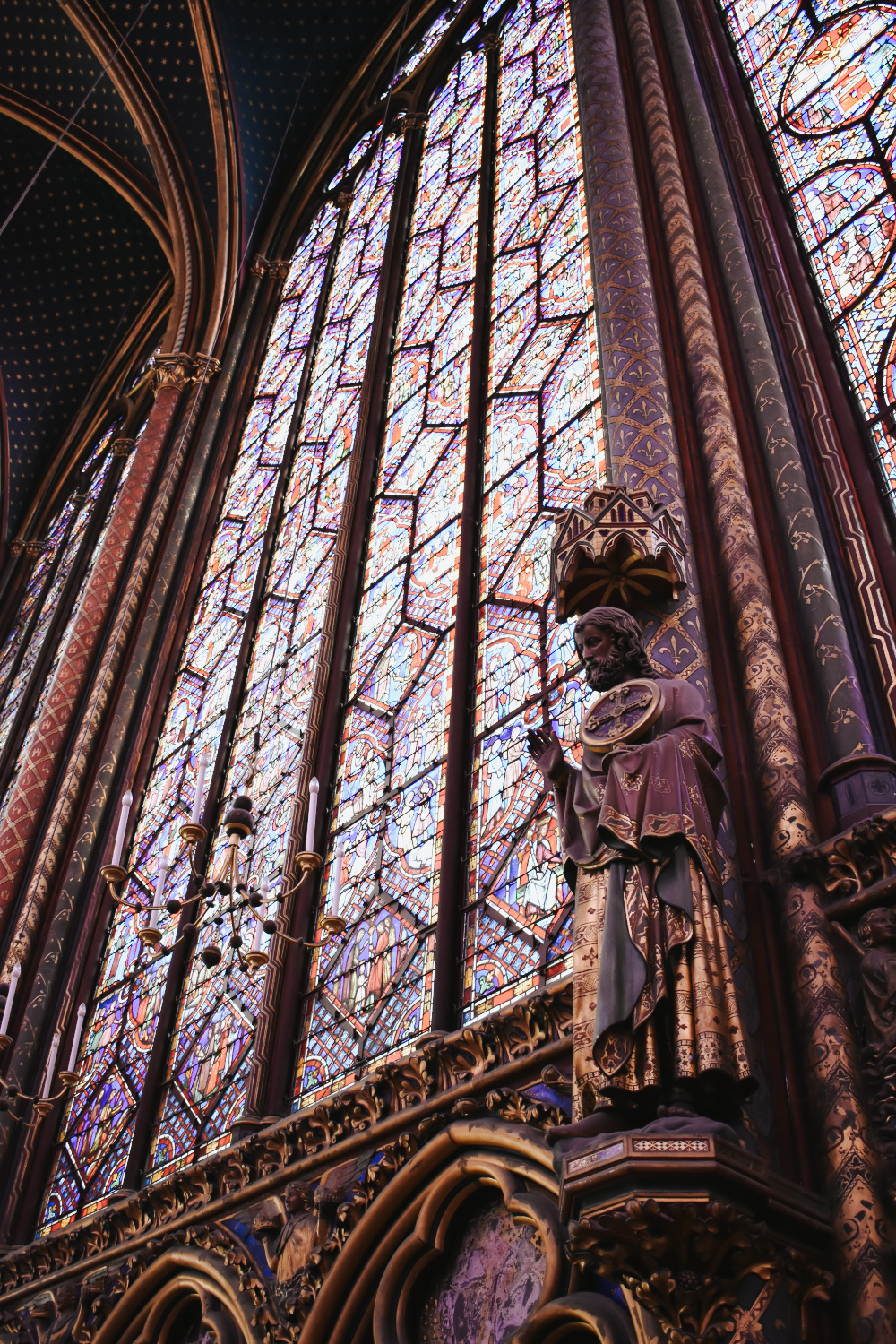
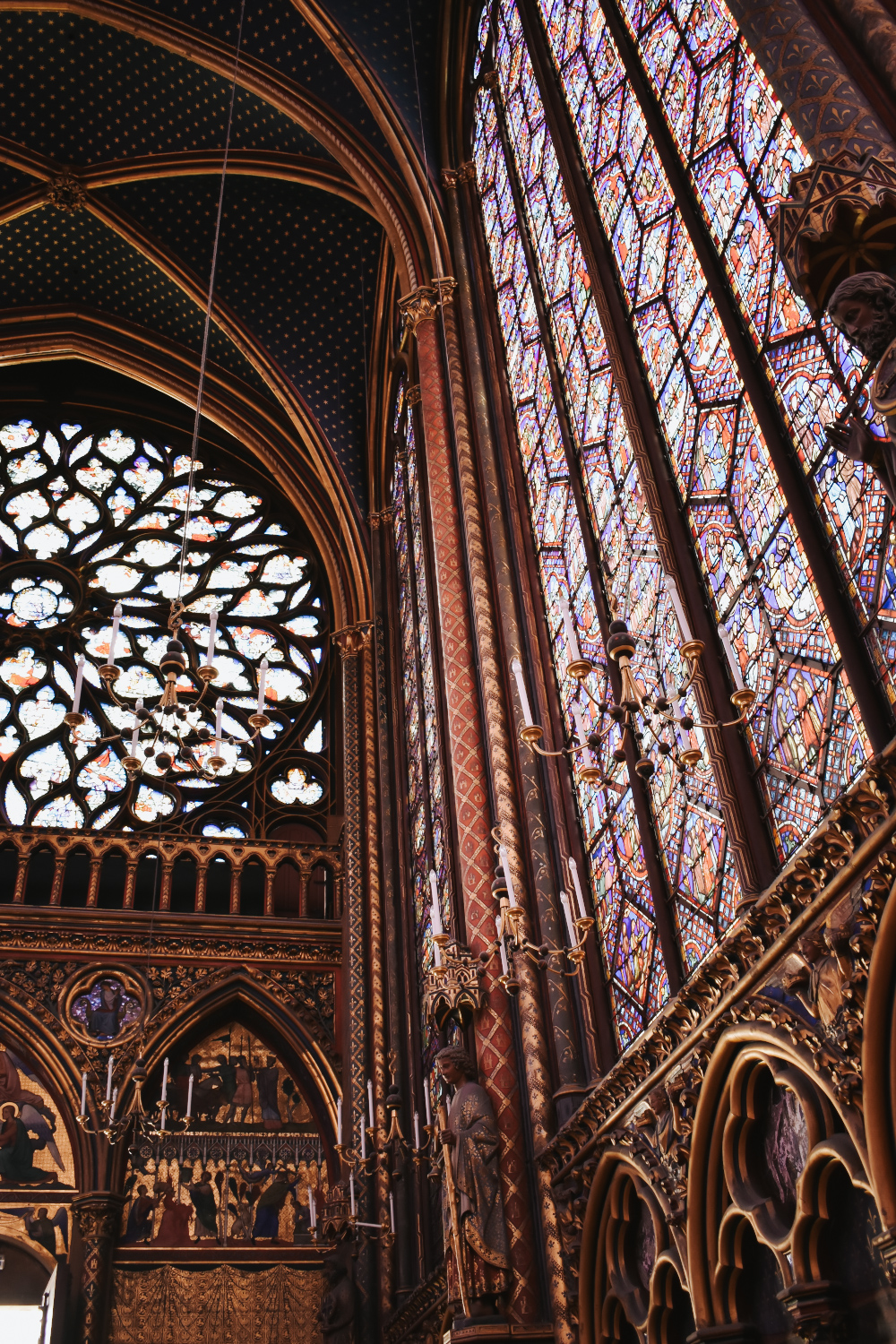
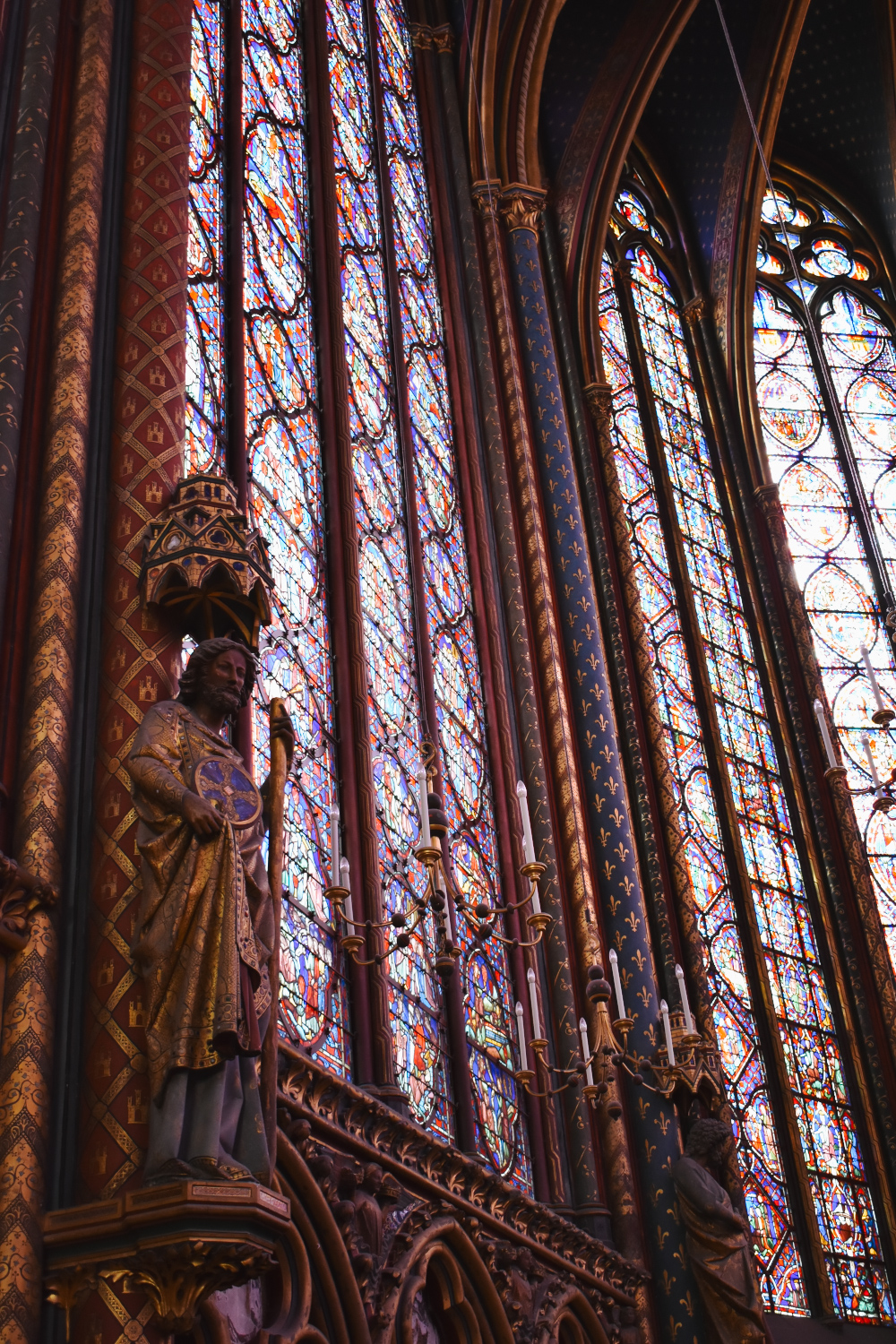
Fifteen towering walls of stained glass rise in every direction, filling the chapel with colored light until it becomes difficult to tell where the architecture ends and the light begins. It doesn’t simply decorate the room—it transforms it.
Our daughter, who had spent years dreaming about Paris, went completely quiet.
We did too.
Some places ask you to learn something. Others ask you to look. Sainte-Chapelle asks only that you stand still long enough to receive it.
We have visited beautiful churches before and since, but Sainte-Chapelle remains in a category of its own.
Reserve your tickets in advance and go early. It deserves the quiet.
Walking to the Eiffel Tower
We decided to walk to the Eiffel Tower from the Marais rather than take the Métro—a decision we made somewhat naively, not fully appreciating just how far it actually was.
It was considerably longer than we expected.
We would make the same decision again without hesitation.
The walk carried us through one neighborhood after another, each with its own rhythm. We wandered down streets no itinerary had sent us to, stopped whenever something caught our attention, lingered over storefronts and bakeries, rested when we needed to, and gradually came to know Paris not as a collection of landmarks but as a living city.
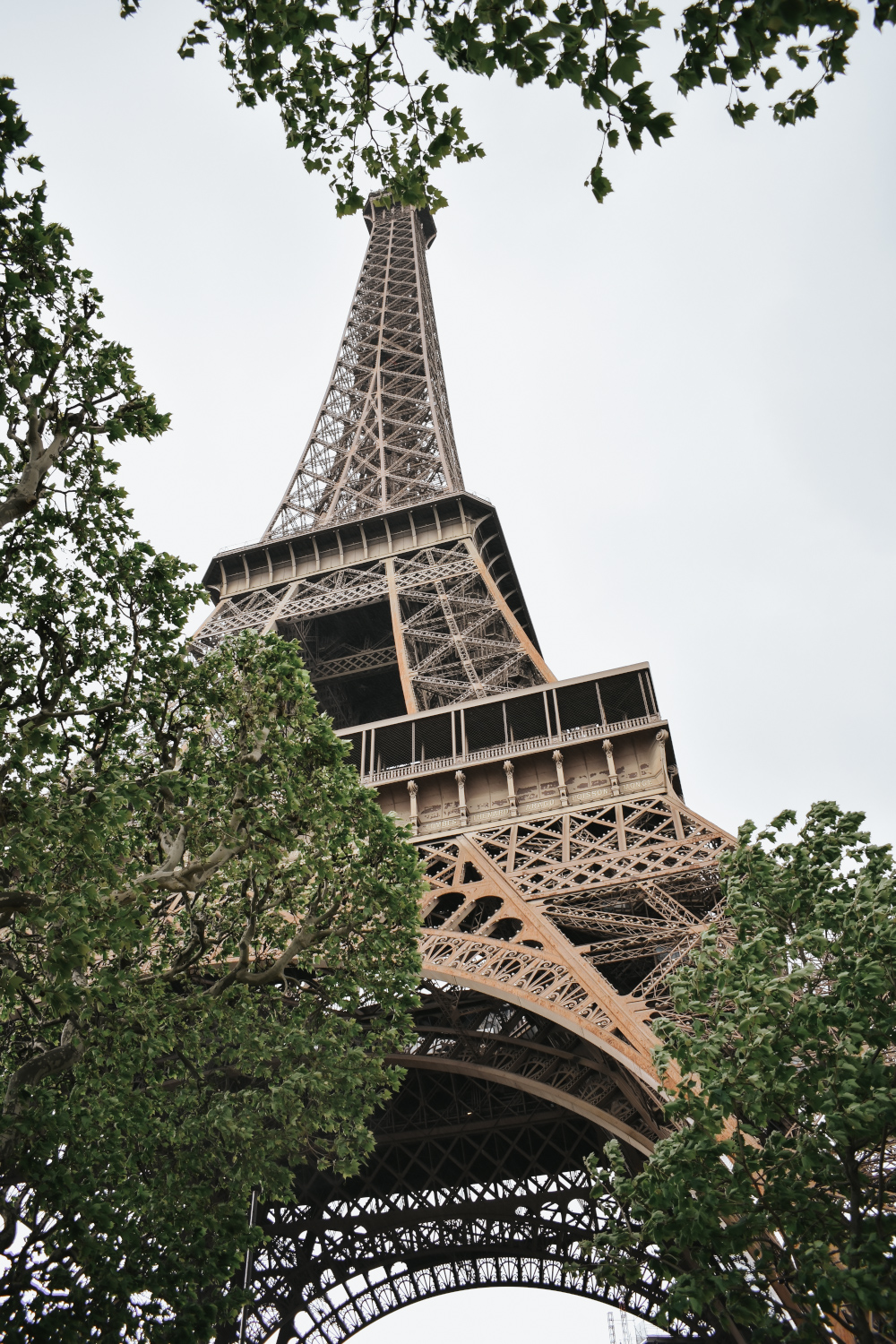
By the time the Eiffel Tower finally appeared, we’d already spent most of the day experiencing everything around it.
And yet there is still something surreal about seeing it for the first time. Some places live in your imagination for so many years that they begin to feel almost fictional. Then suddenly you’re standing in front of them, and they become part of your own story instead.
One of the easiest mistakes to make in Paris is to treat the city like a checklist, moving as efficiently as possible from one famous landmark to the next. But some of our favorite memories happened in the spaces between them.
Paris doesn’t reveal itself only at the destinations. It reveals itself on the walk there.
We chose not to go up the Eiffel Tower, saving our one panoramic view for the Arc de Triomphe later in the trip. Looking back, I think it was the right decision.
The Palais Garnier
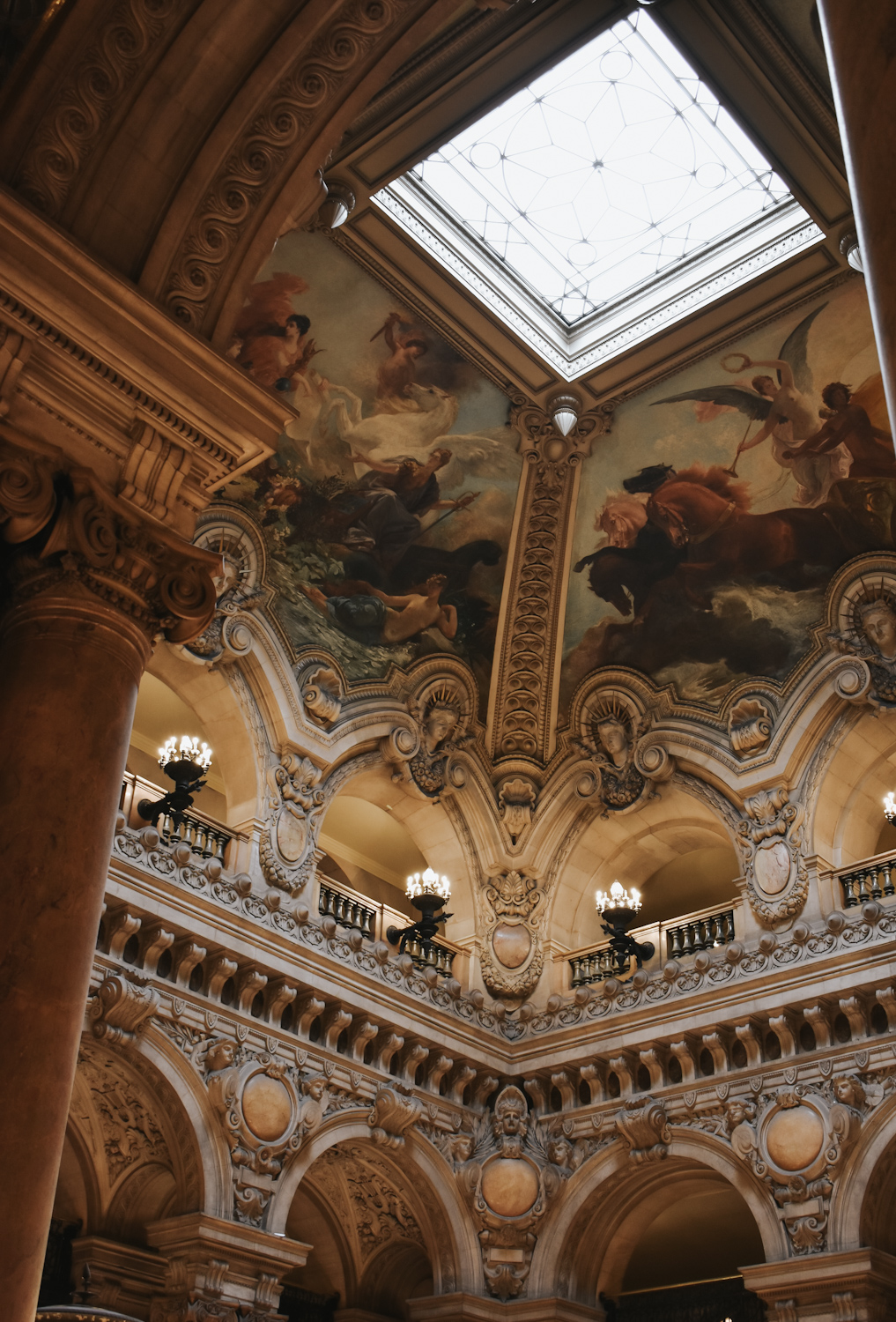
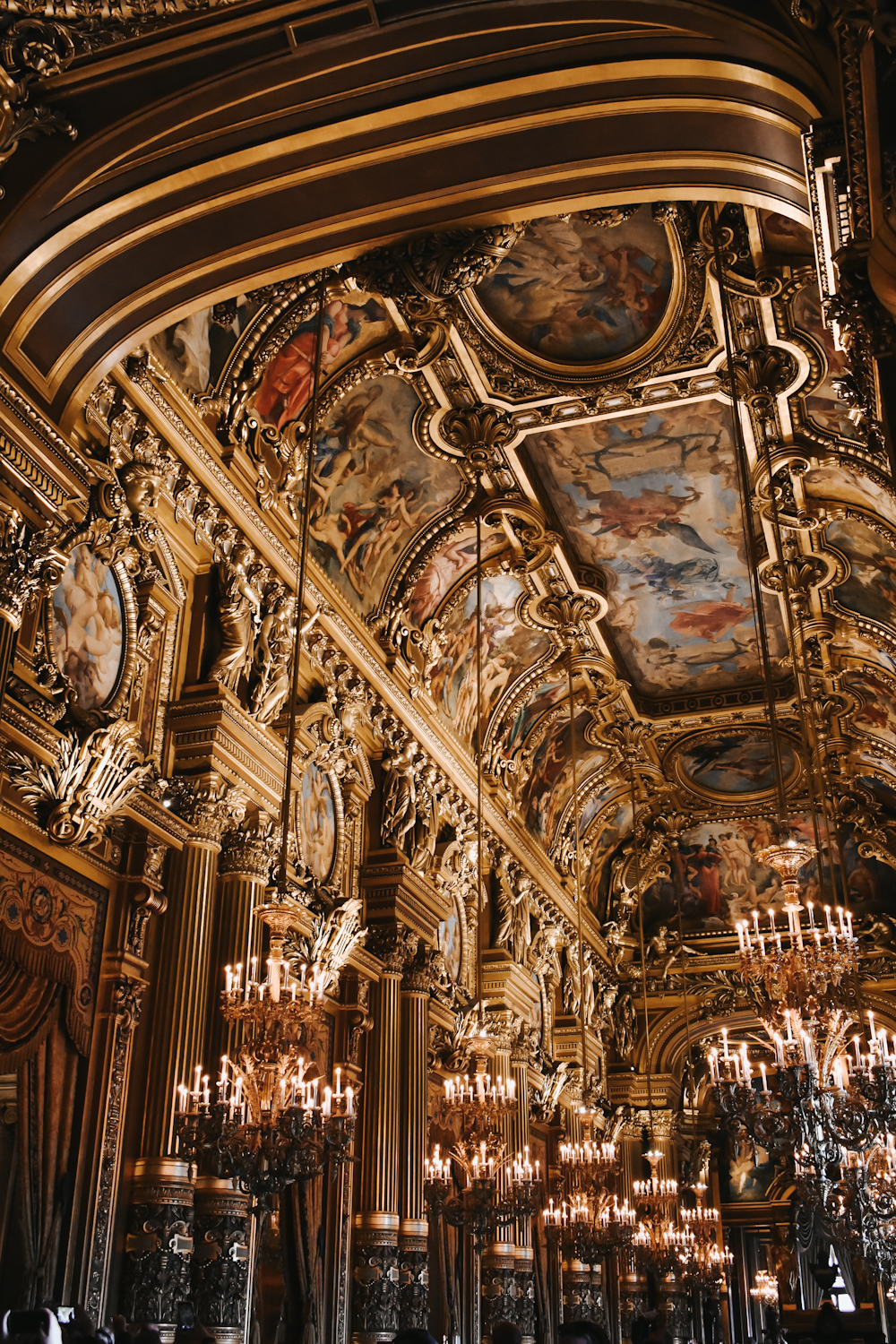
If there is a building in Paris that fully embraces excess, it is the Palais Garnier.
We toured the opera house expecting it to be beautiful. We weren’t prepared for the sheer scale of its opulence.
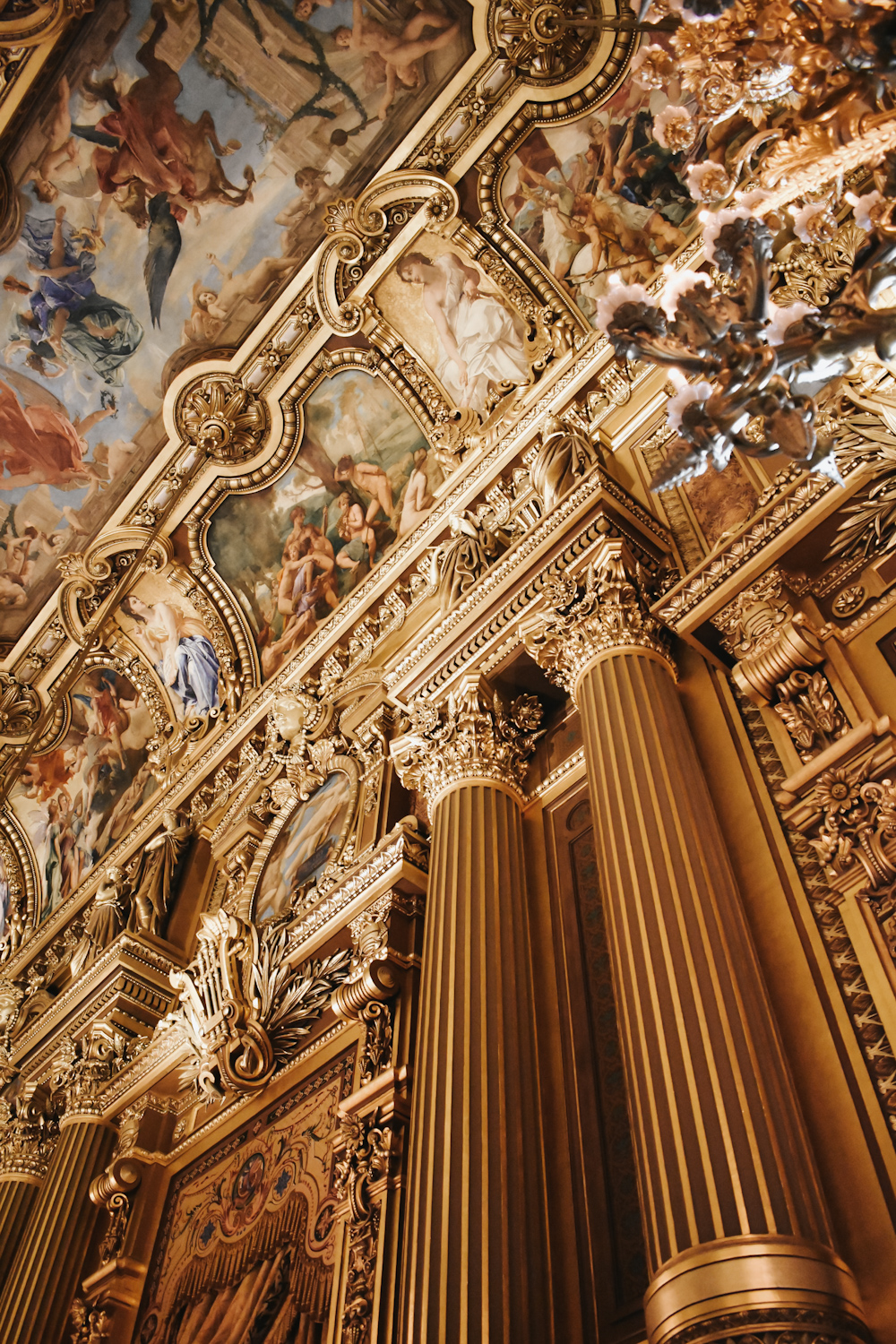
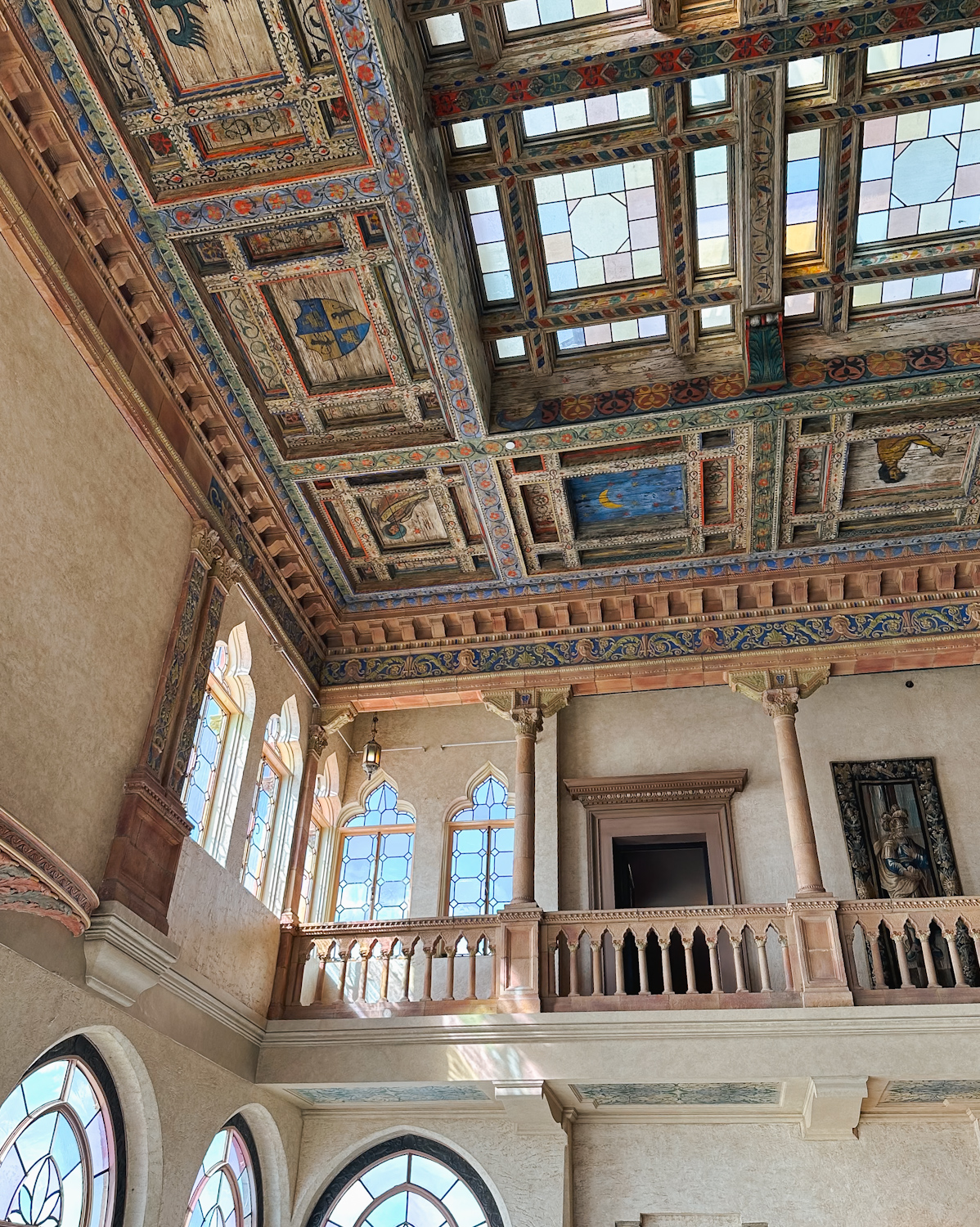
Gold seems to cover nearly every surface. Grand staircases, painted ceilings, elaborate moldings, chandeliers, mirrors—it is layer upon layer of ornament with almost no restraint.
And somehow, it works.
Our daughter loved it. I don’t think she had ever imagined that a building could be so grand until she stood inside one. There are some things that photographs simply can’t prepare you for. Grandeur has to be experienced in person.
In another setting it might have felt overwhelming. Here it feels theatrical, which is fitting for one of the world’s great opera houses. The building doesn’t apologize for its grandeur. It celebrates it.
If you have any interest in architecture, interiors, or the history of Paris, make time for the Palais Garnier. The guided tour is worth it for the grand staircase alone.
Sacré-Cœur and the Cathedrals
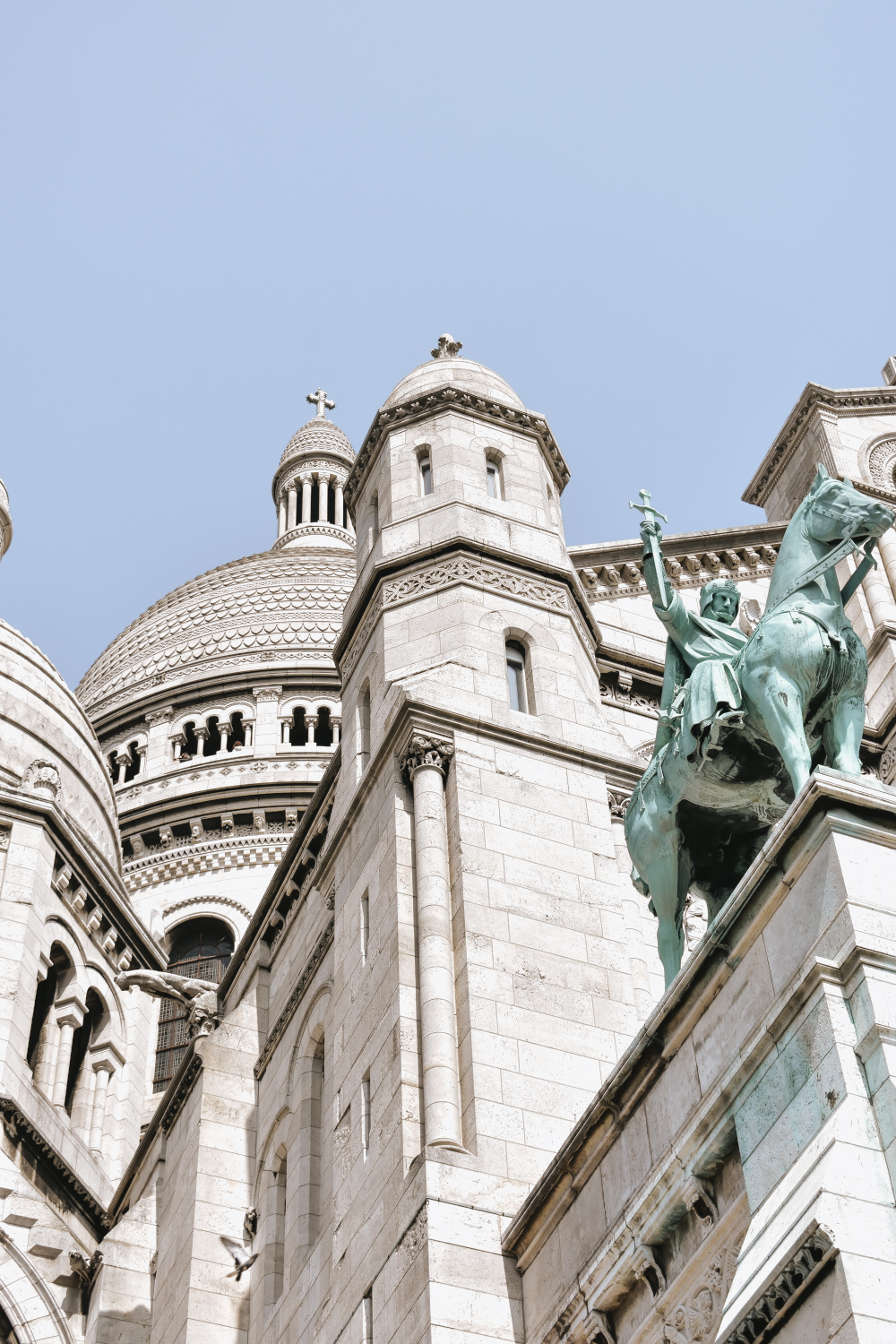
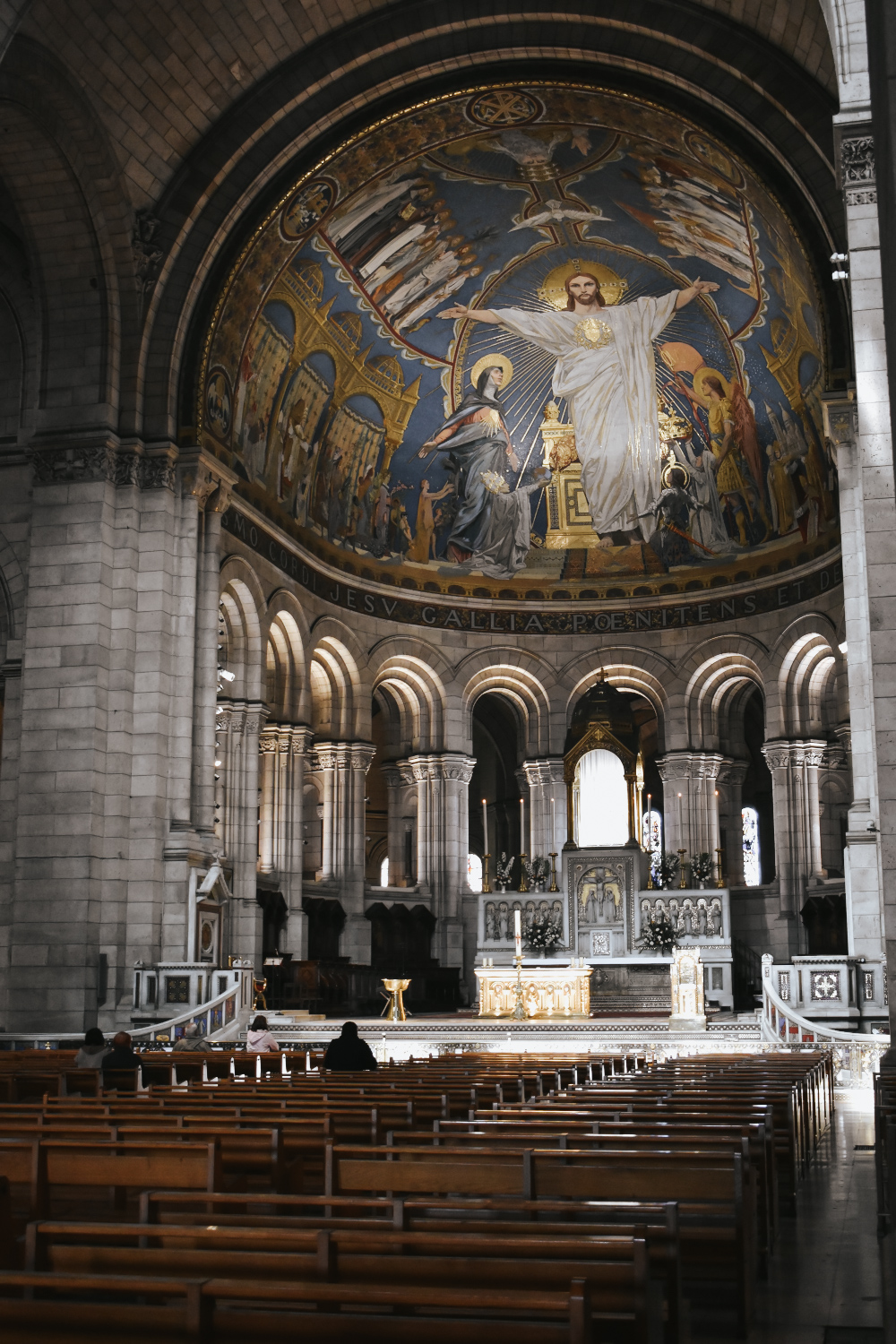
From the Palais Garnier we made our way to Montmartre and climbed the hill to Sacré-Cœur.
The climb is real. By the time you reach the basilica you’ll have earned the view, but both the panorama over Paris and the church itself are well worth the effort. The neighborhood surrounding it—with its winding streets, artists, cafés, and market stalls—is easily worth an afternoon on its own.
But one of the things that surprised us most about Paris wasn’t Sacré-Cœur.
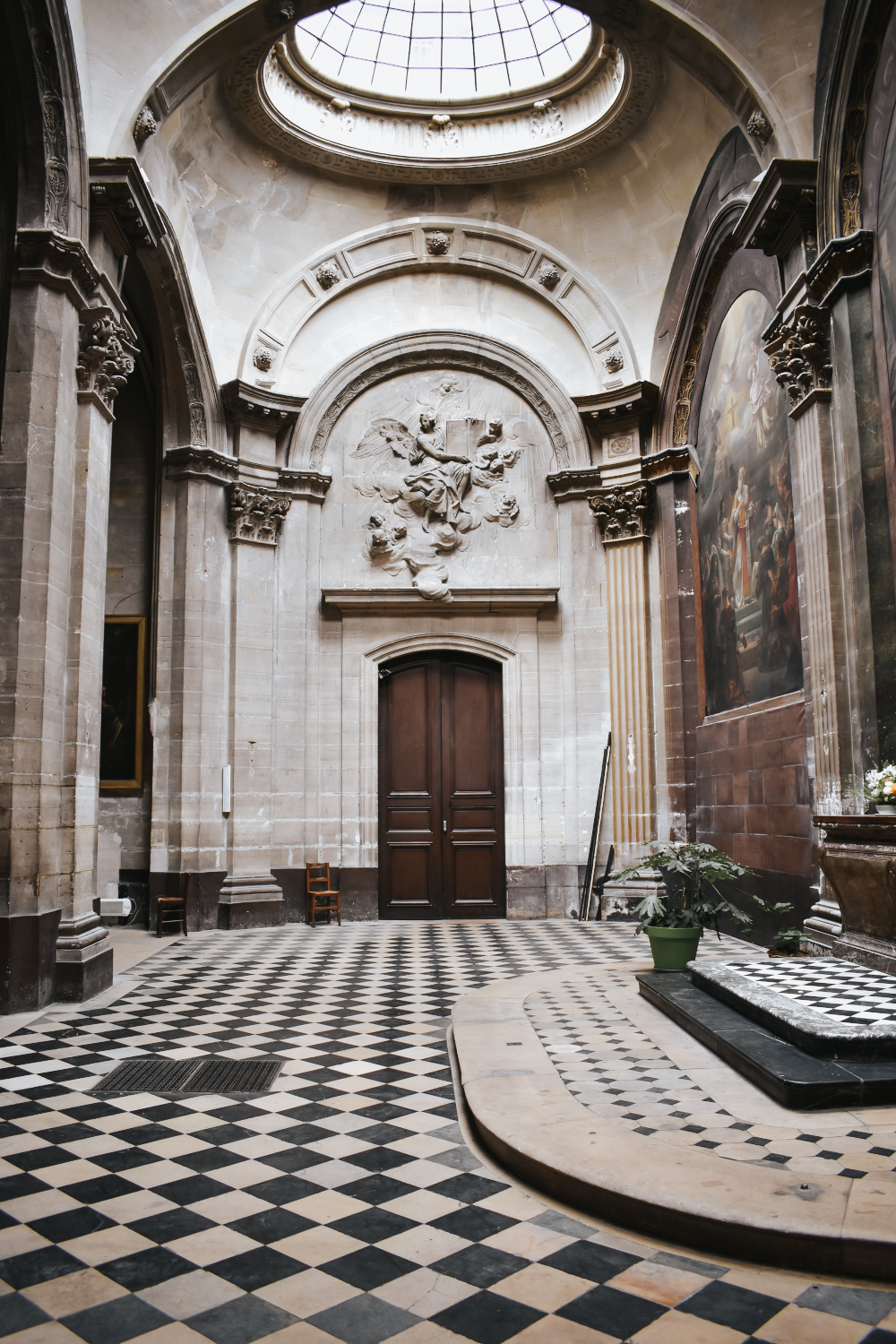
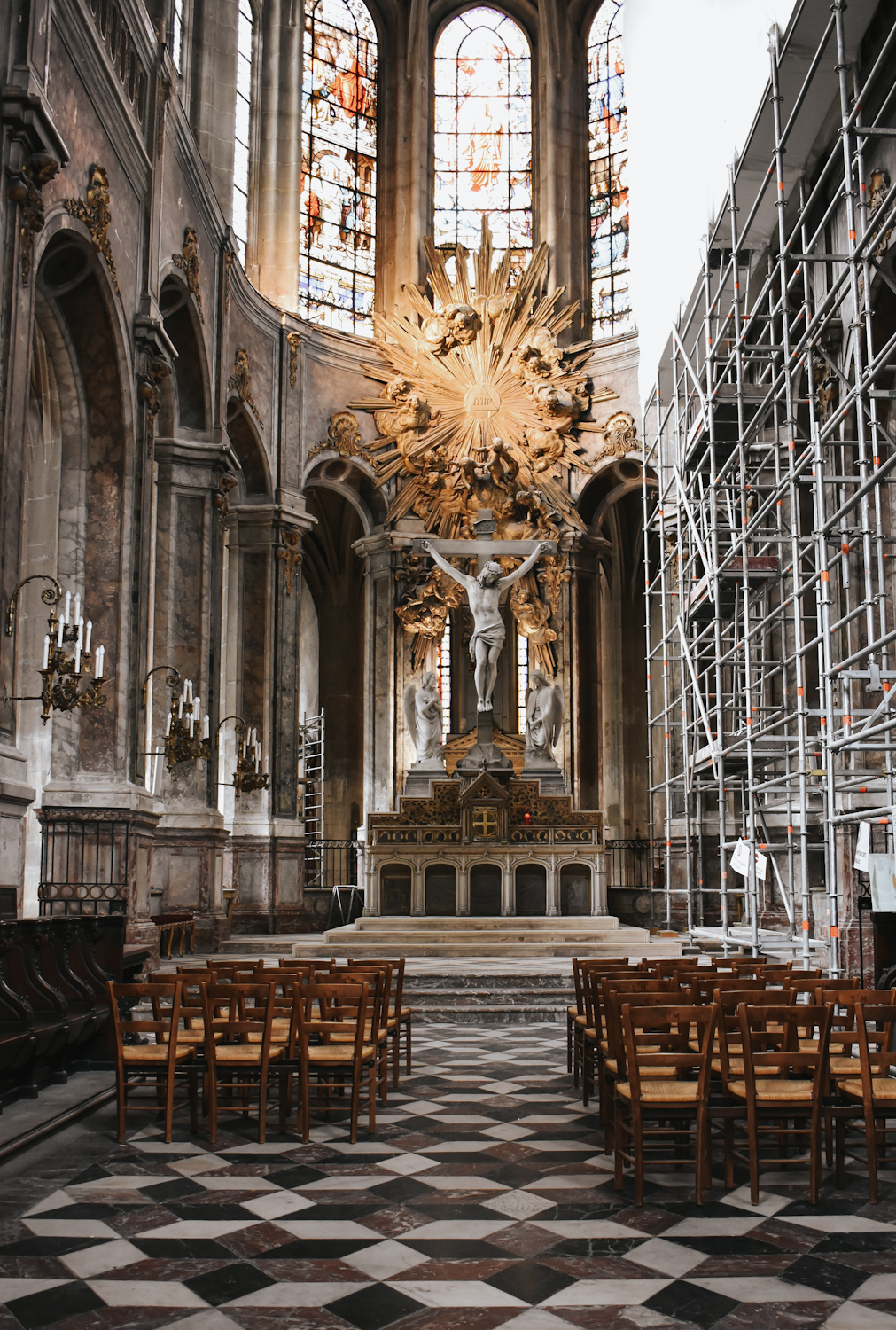
It was how many extraordinary churches exist beyond the ones everyone already knows.
We spent an afternoon wandering into one after another—some famous, some we discovered simply because their doors happened to be open. Some were nearly empty. Others held people quietly praying in the middle of an ordinary weekday.
Sitting in those spaces, it became impossible not to wonder what kind of conviction could inspire generations of people to devote their lives to building something they would never live to see completed.
Whether or not you share the faith that built them, it’s difficult to leave those cathedrals without a profound respect for the people who did.
In many cities, a church like that would be the defining landmark.
In Paris, it’s simply another turn in the street.
That may have been one of the greatest lessons the city had to offer. Beauty isn’t concentrated in a handful of famous places. It’s woven throughout the fabric of everyday life.
Père Lachaise Cemetery
We made a deliberate trip to Père Lachaise, which probably requires a bit of explanation if you’re wondering why a cemetery made the itinerary for a ten-year-old.
At the time, our daughter was completely captivated by the Fantastic Beasts films, and Père Lachaise appears in one of them. That was the original reason for going.
It turned out to be one of the most memorable places we visited.
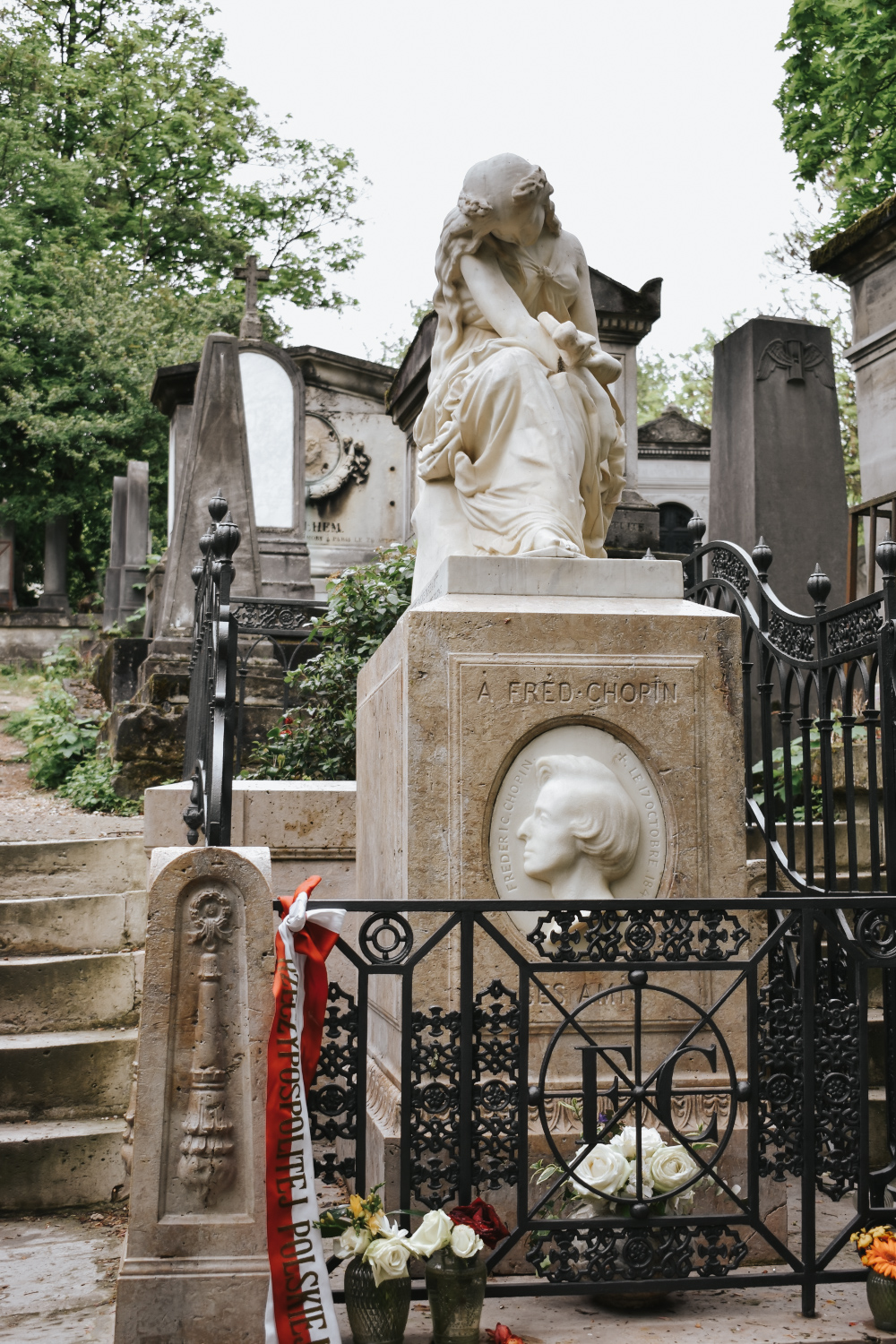
We found Frédéric Chopin’s grave, something that meant far more to us than we expected. Music has always been an important part of our home, and Chopin is one of the composers our children have grown up hearing most often. Standing there, it was impossible not to feel connected to someone whose work has quietly become part of our family’s life nearly two centuries after it was written.
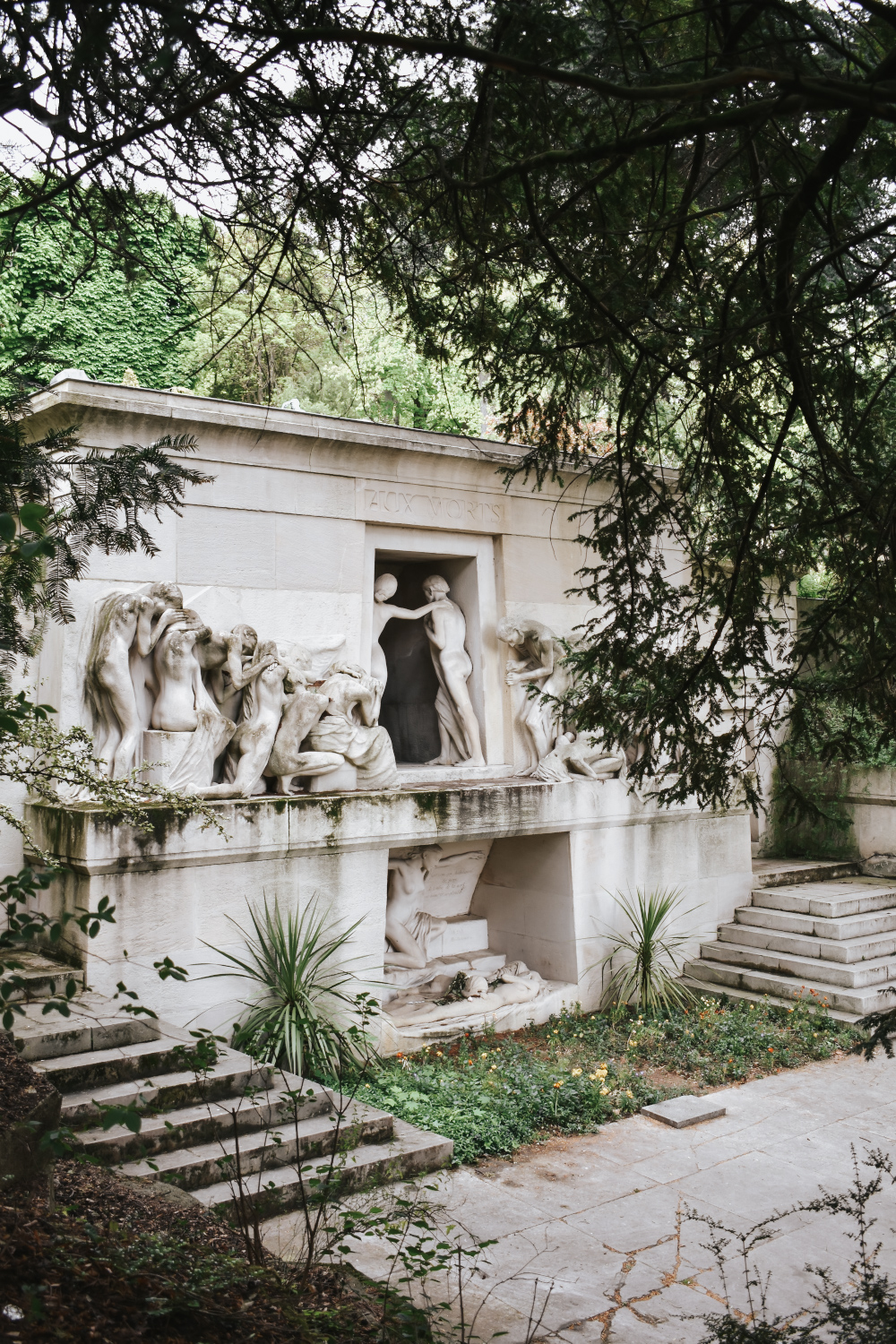
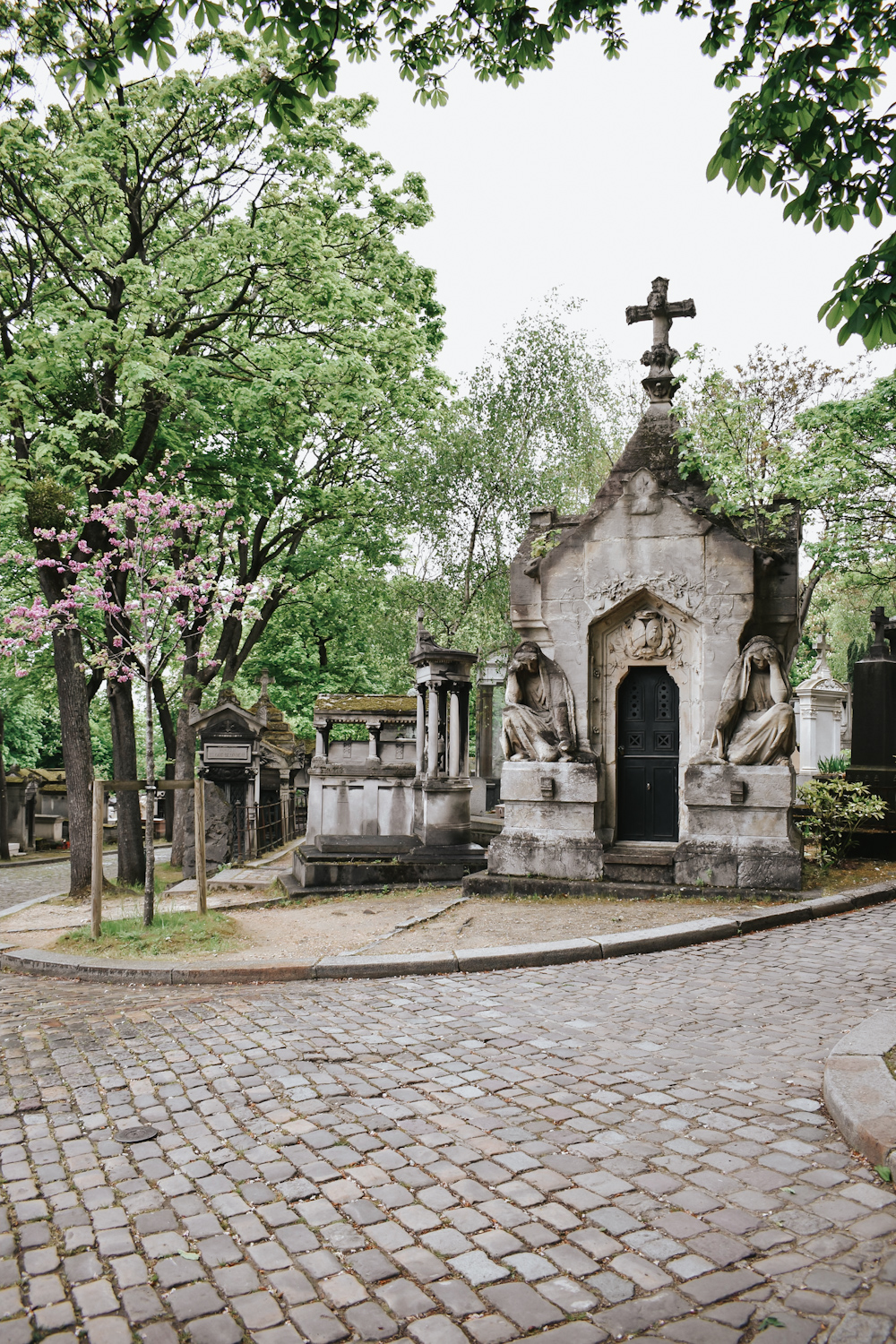
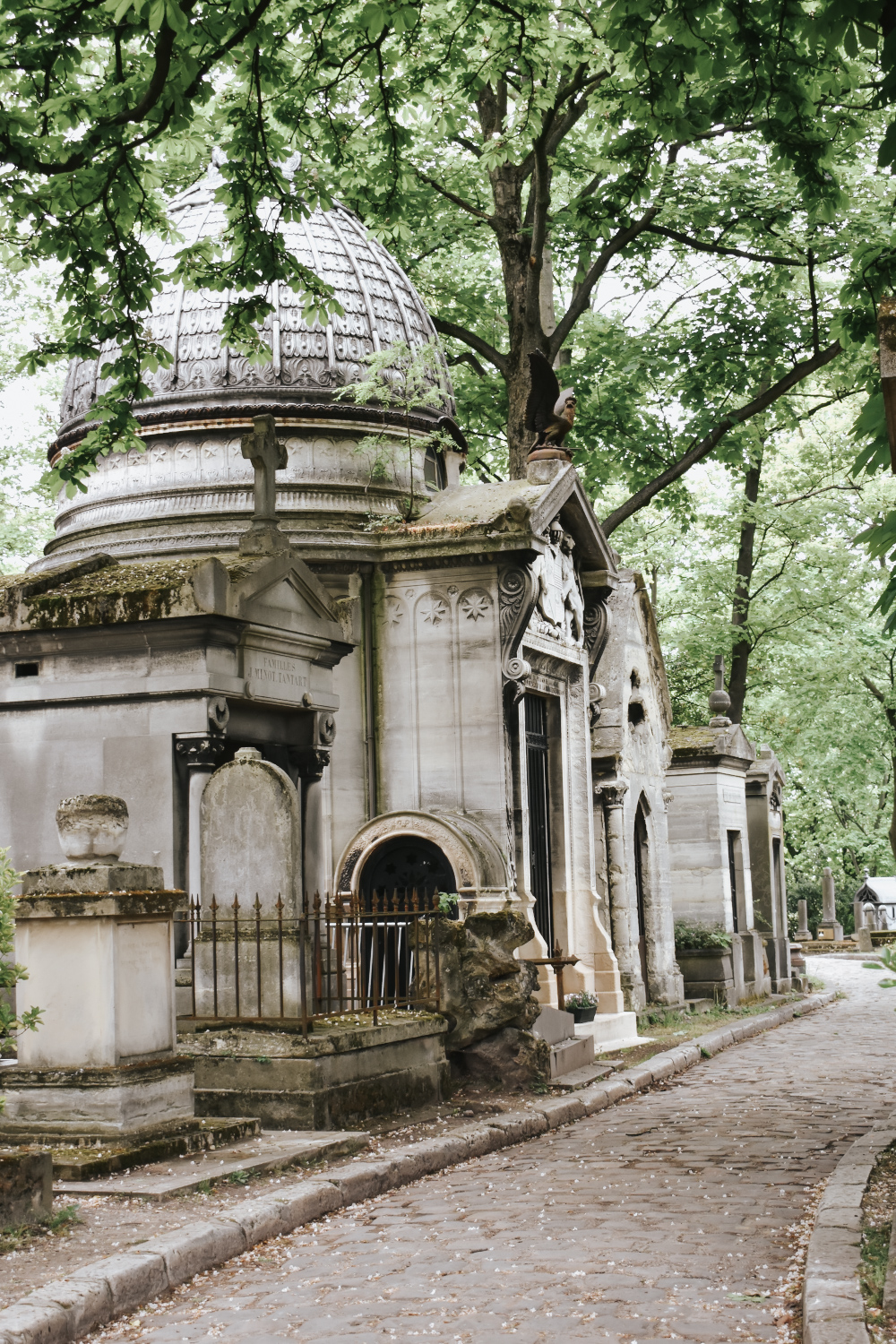
The cemetery itself is unlike anything we had experienced before. Winding cobblestone paths, elaborate mausoleums, towering trees, ivy-covered monuments, and an extraordinary stillness make it feel less like a cemetery and more like a forgotten city.
We wandered for hours.
Like so much of Paris, Père Lachaise rewards those who are willing to slow down. Every turn reveals another remarkable sculpture, another famous name, another quiet corner that invites you to linger a little longer.
If you’re willing to give it a few unhurried hours, Père Lachaise belongs on every first trip to Paris.
Notre-Dame
We had planned to go inside Notre-Dame.
We had planned to climb the bell tower.
We had planned to attend Mass.
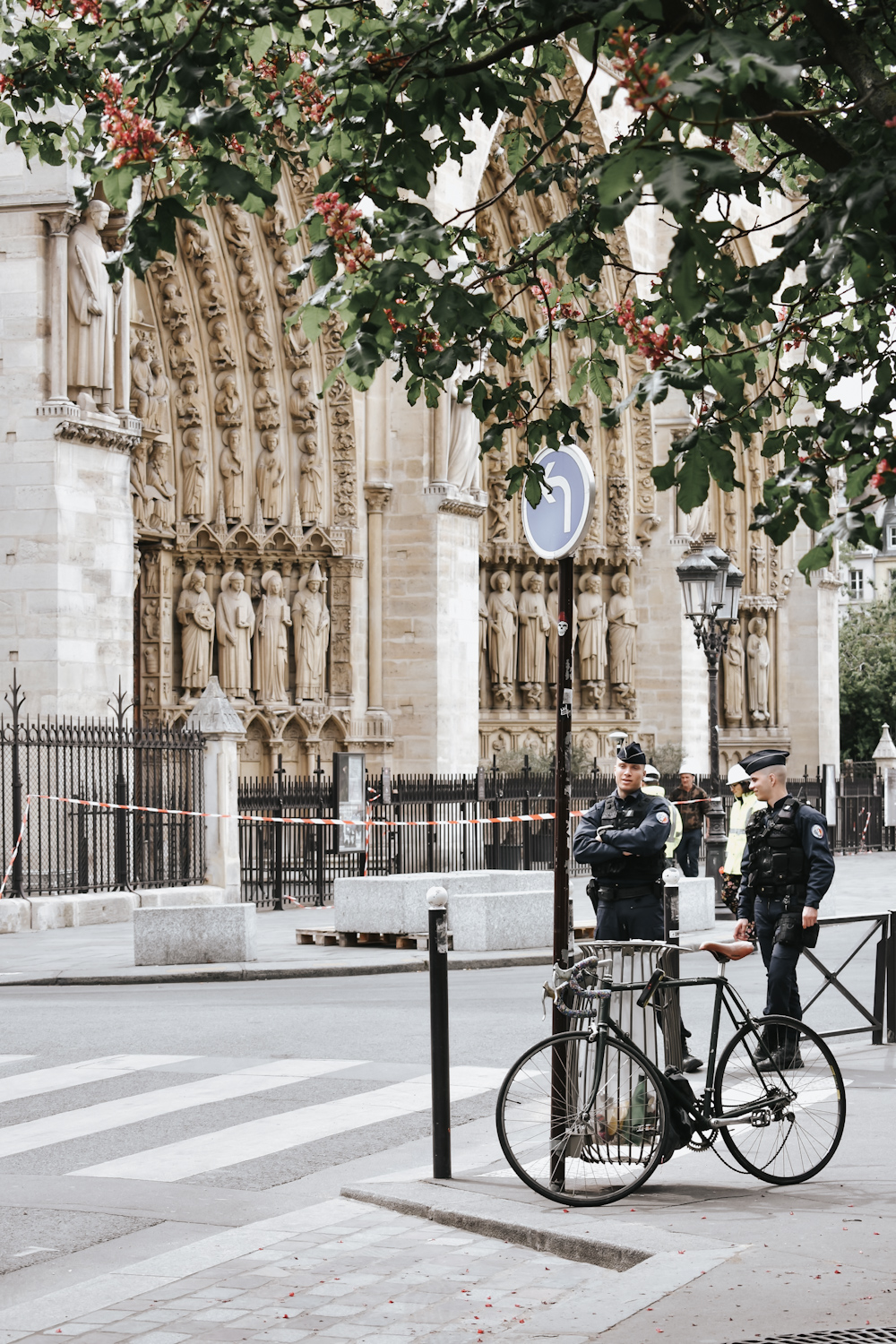
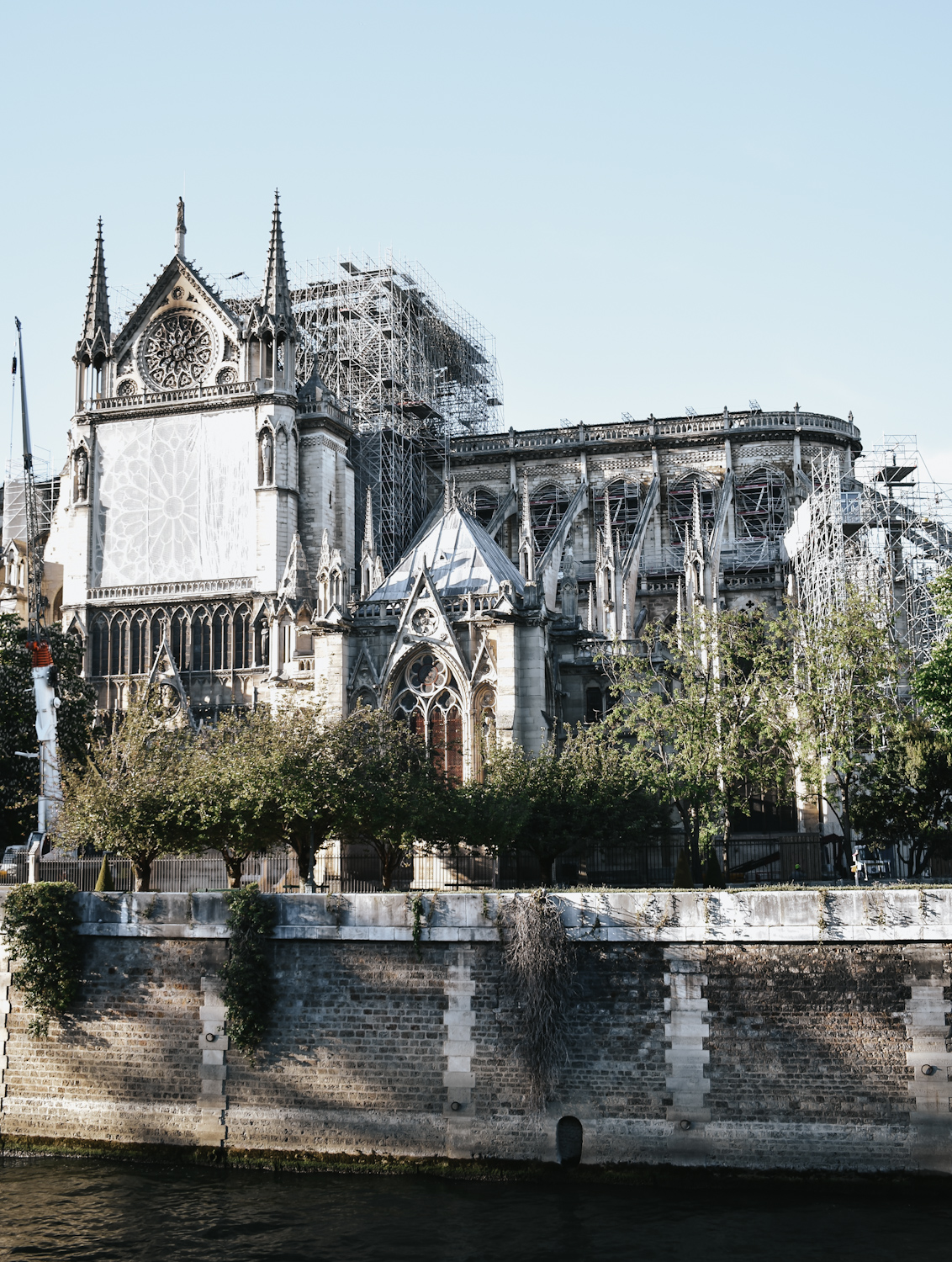
Then, a week before we left for Paris, the cathedral caught fire.
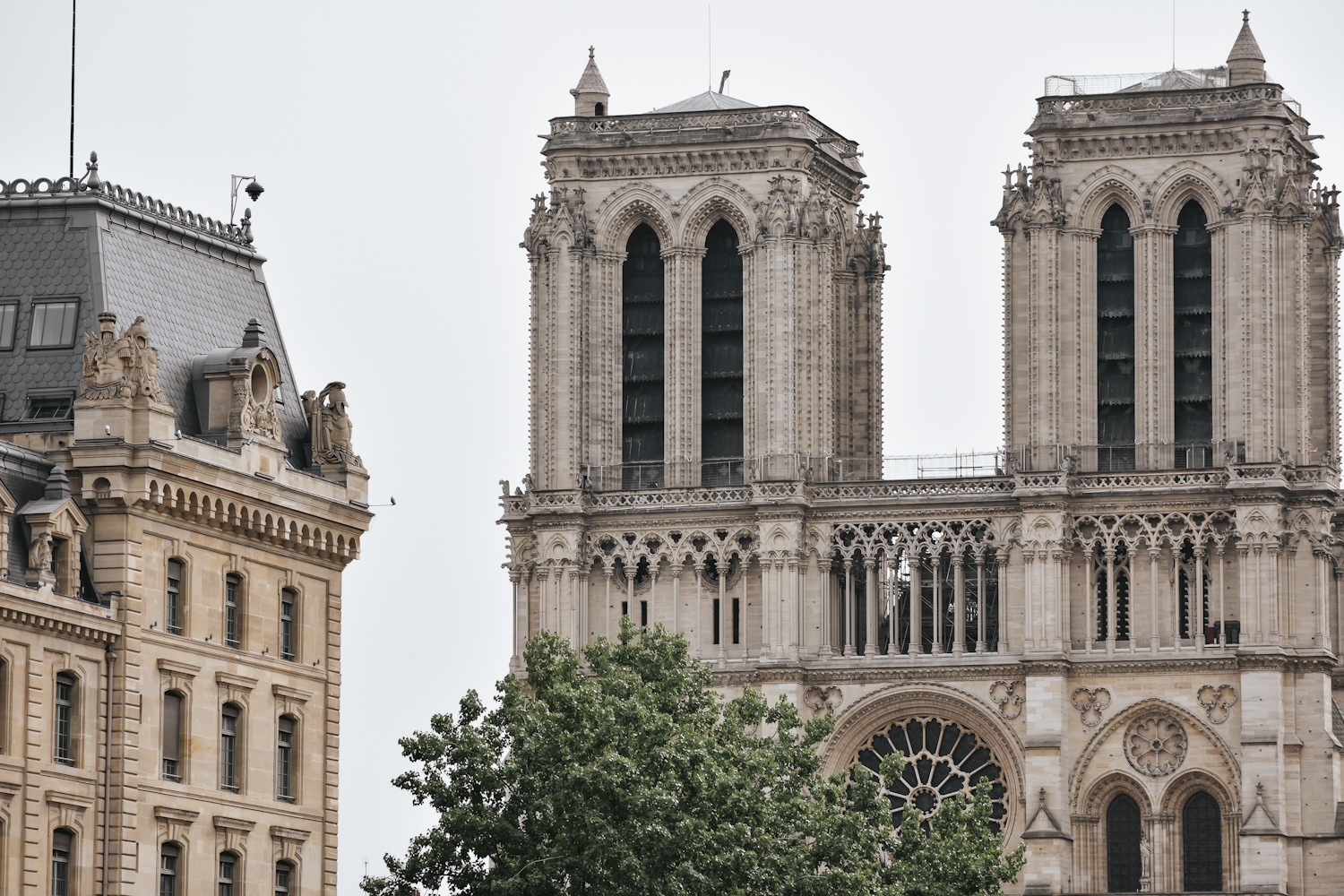
By the time we arrived, the flames were out, but the city was still living in the aftermath.
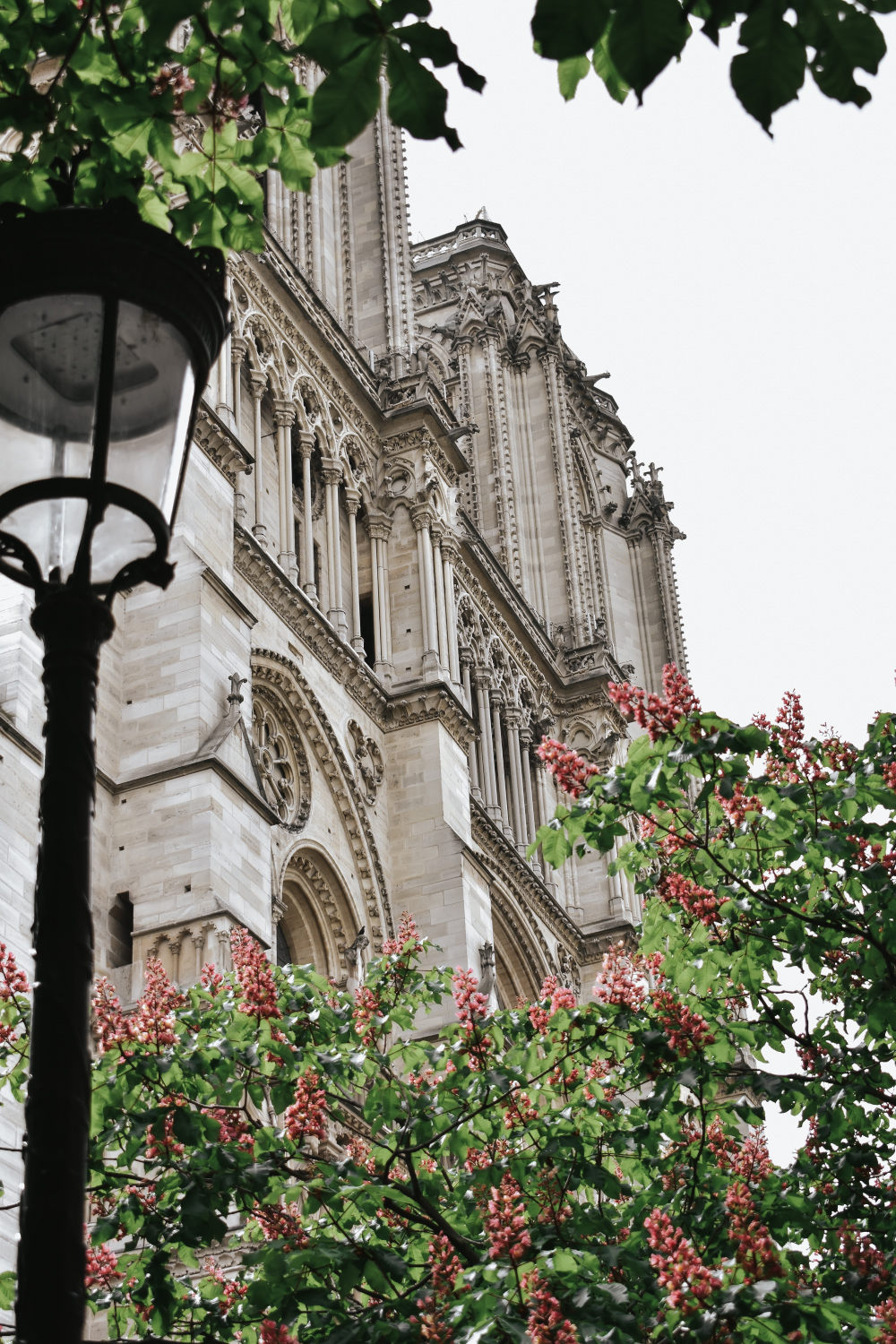
We walked slowly around the entire perimeter. The barriers were still up. The damage was still raw. The air around it carried something difficult to describe—grief, perhaps, or simply the weight of standing beside a wound in history that the rest of the world was watching from afar while we happened to be standing there.
Our daughter understood what she was looking at.
We all did.
It wasn’t the visit we had imagined.
It became something else.
Travel has a way of reminding you that the places you visit are not museum pieces frozen in time. They are living places with histories that continue long after you’ve gone home.
Notre-Dame has since been beautifully restored and reopened. If you’re planning a trip to Paris now, go inside. Attend a Mass if you’re able. Climb the bell tower. We certainly intend to.
The Arc de Triomphe
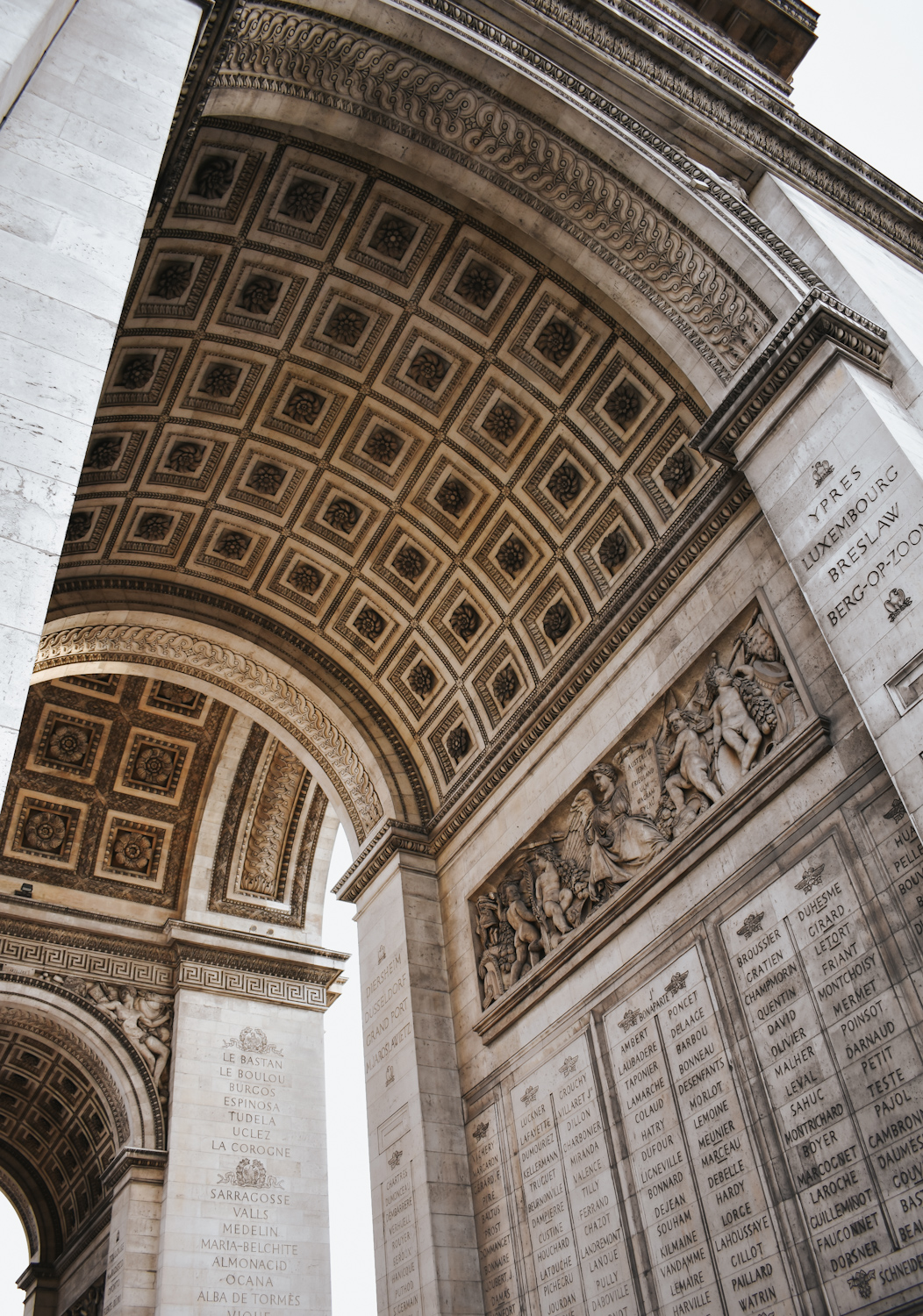
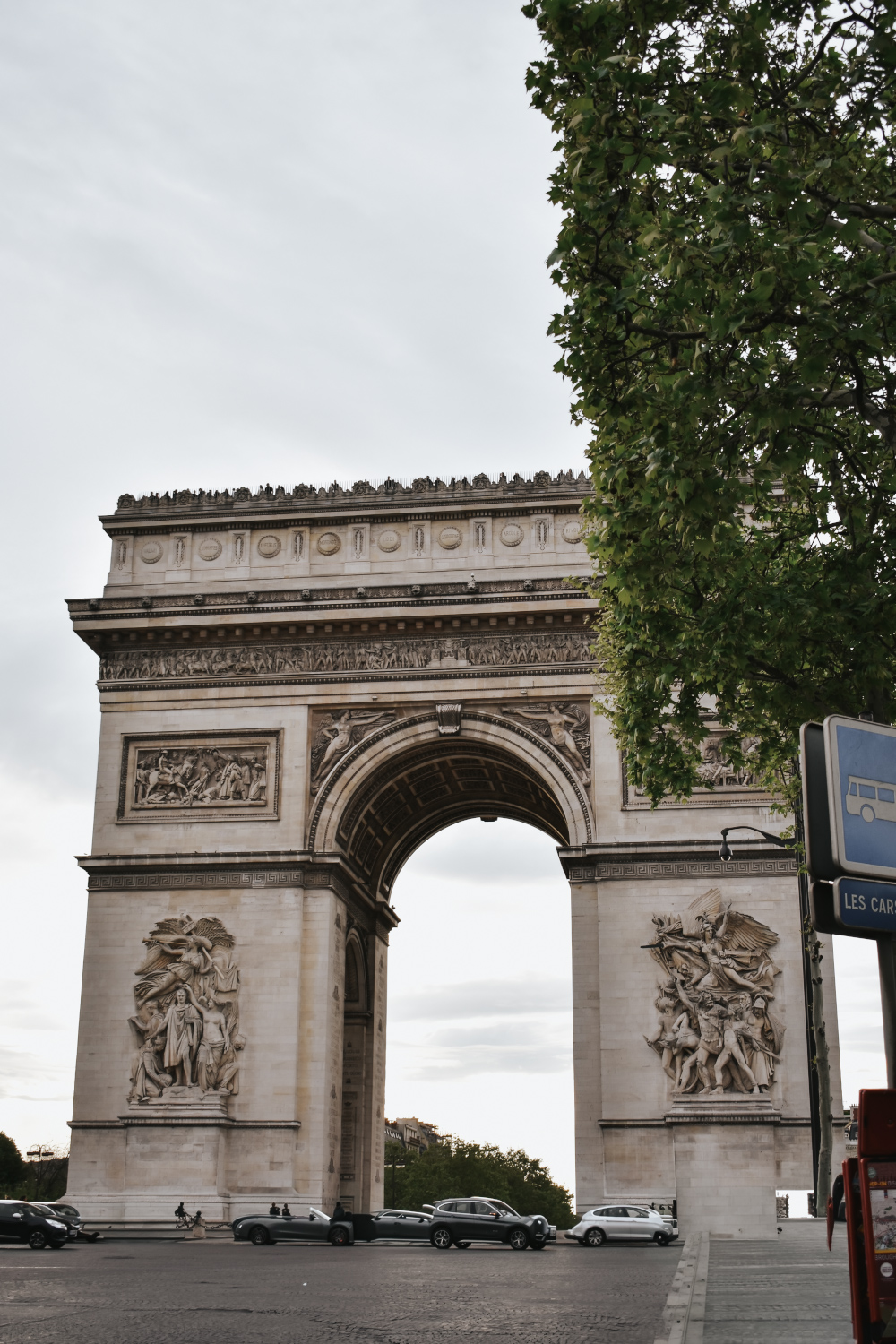
Choosing to climb the Arc de Triomphe instead of the Eiffel Tower turned out to be one of the best decisions we made in Paris.
It was a recommendation we’d come across more than once while planning the trip, and after seeing both, I understand exactly why.
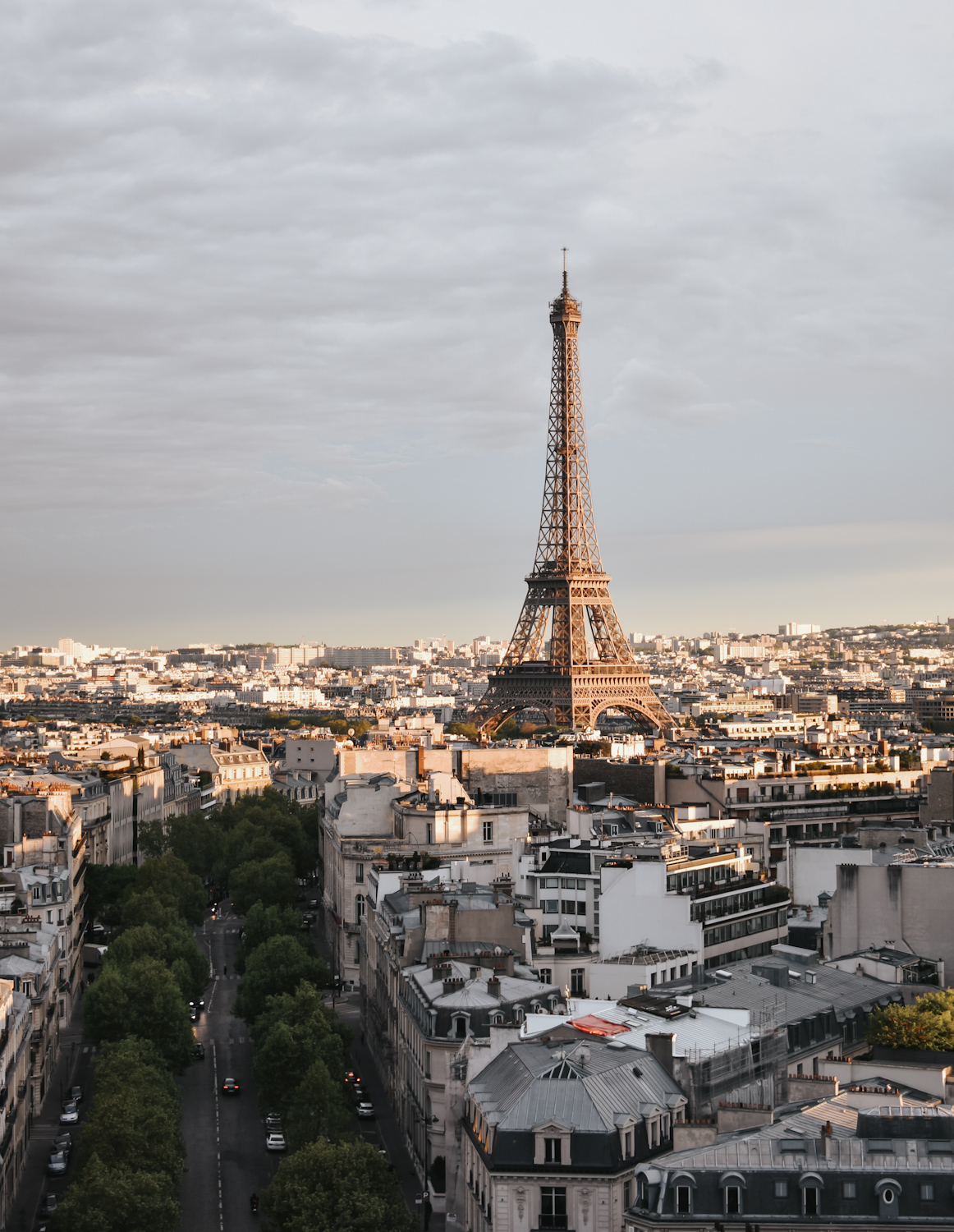
From the top, Paris finally reveals itself.
For the first time, you can truly appreciate the city’s remarkable design. The great boulevards radiate outward in every direction, neighborhoods begin to make sense in relation to one another, and the city unfolds almost like a map beneath your feet.
We happened to arrive just before sunset.
As the light turned golden and spread across the rooftops, the view became even more extraordinary. The Eiffel Tower became part of the composition instead of the entire picture.
Ironically, it’s one of the best places in Paris to appreciate the Eiffel Tower itself.
If you’re deciding between climbing the Eiffel Tower or the Arc de Triomphe, I would choose the Arc every time.
The Catacombs
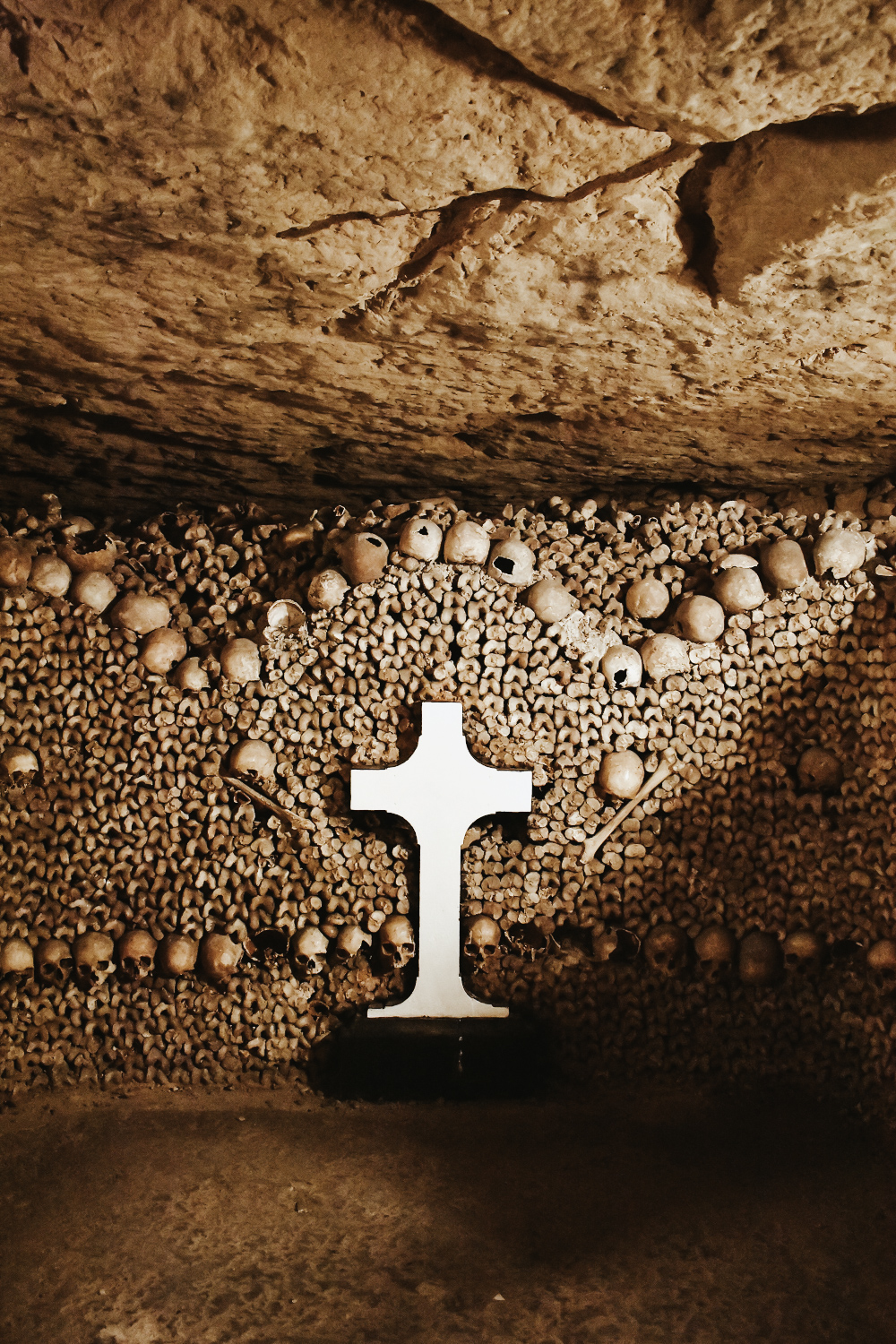
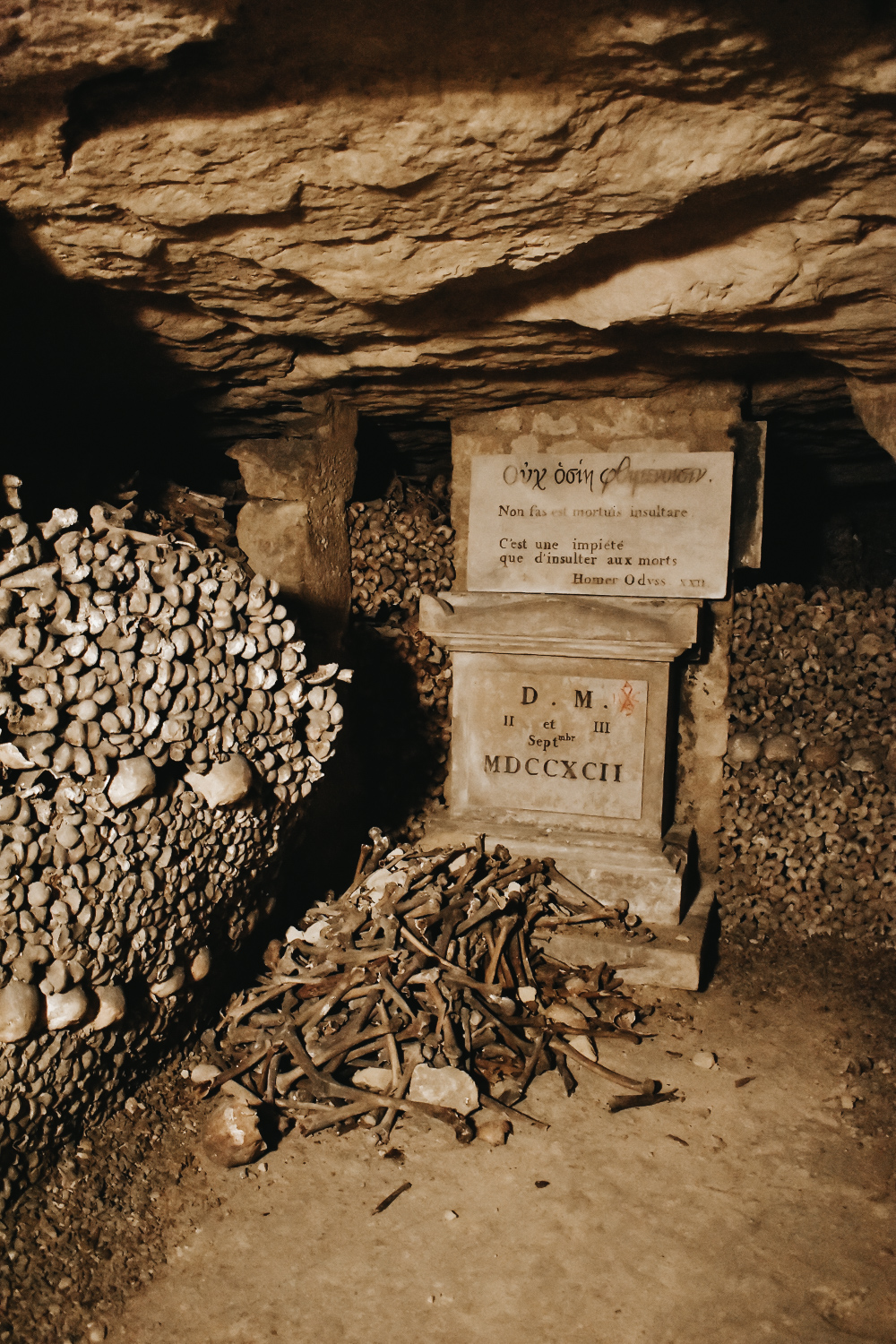
The Paris Catacombs probably require a bit of explanation, because taking a ten-year-old into an underground ossuary containing the remains of millions of people isn’t an obvious addition to a family itinerary.
Our daughter had wanted to visit for years after reading about them in one of the Samantha Parkington American Girl books, where they play an important part in the story. So we went.
It turned out to be unlike anything we had ever experienced.
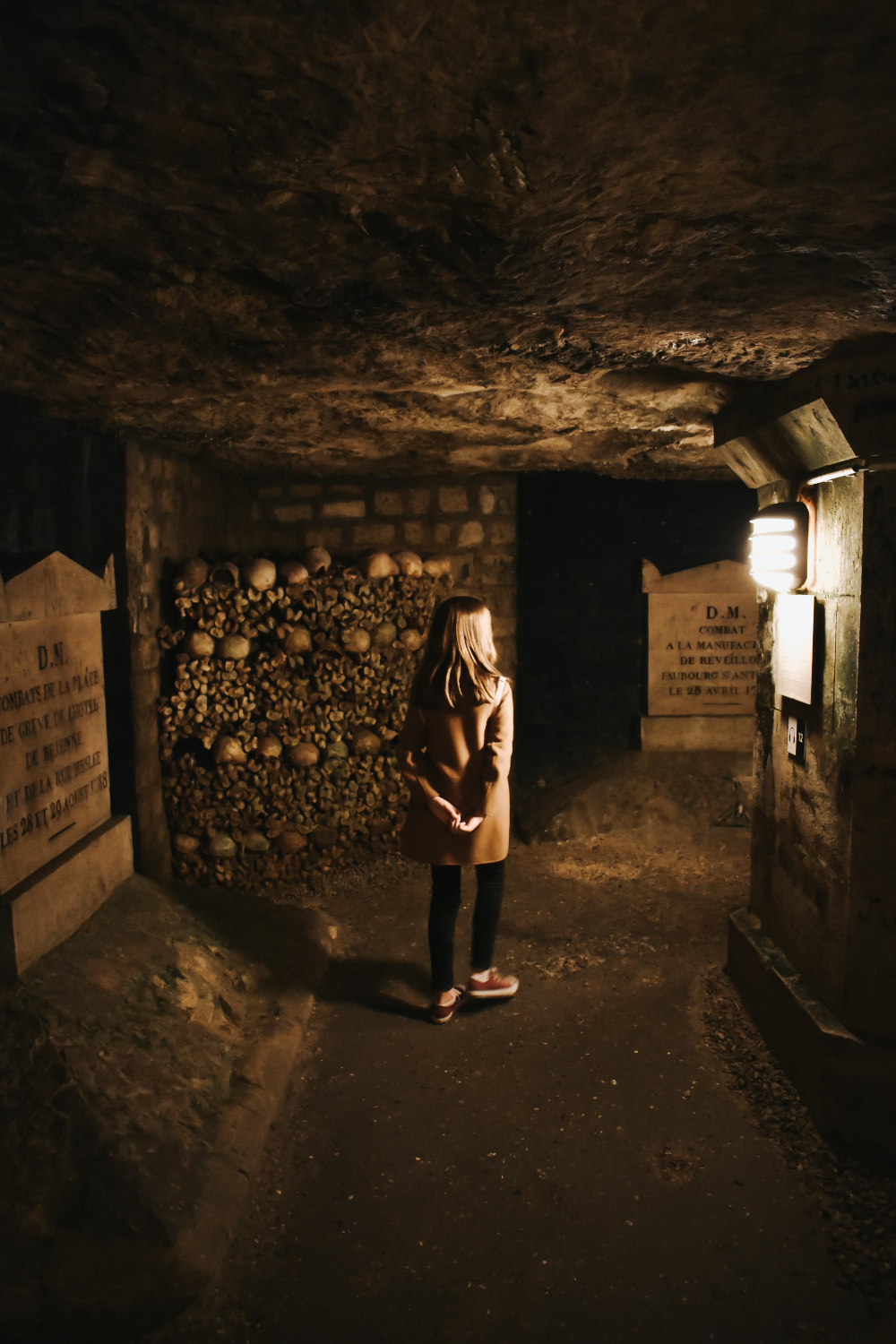
The descent itself feels like leaving one world and entering another. Above you is one of the busiest and most beautiful cities in the world. Below is mile after mile of quiet tunnels lined with the remains of generations who once called that same city home.
It isn’t frightening in the way many people imagine.
It’s contemplative.
Walking through the Catacombs, you’re reminded that Paris isn’t just a city spread across the surface. It’s built in layers—of history, memory, and countless lives that came before your own.
Our daughter was fascinated from beginning to end.
So were we.
If the Catacombs are on your itinerary, reserve tickets well in advance. The line without a reservation simply isn’t worth attempting.
The Jardin du Luxembourg
On one of our last afternoons in Paris, we found our way to the Jardin du Luxembourg and spent a long time doing very little.
It was one of the best afternoons of the trip.
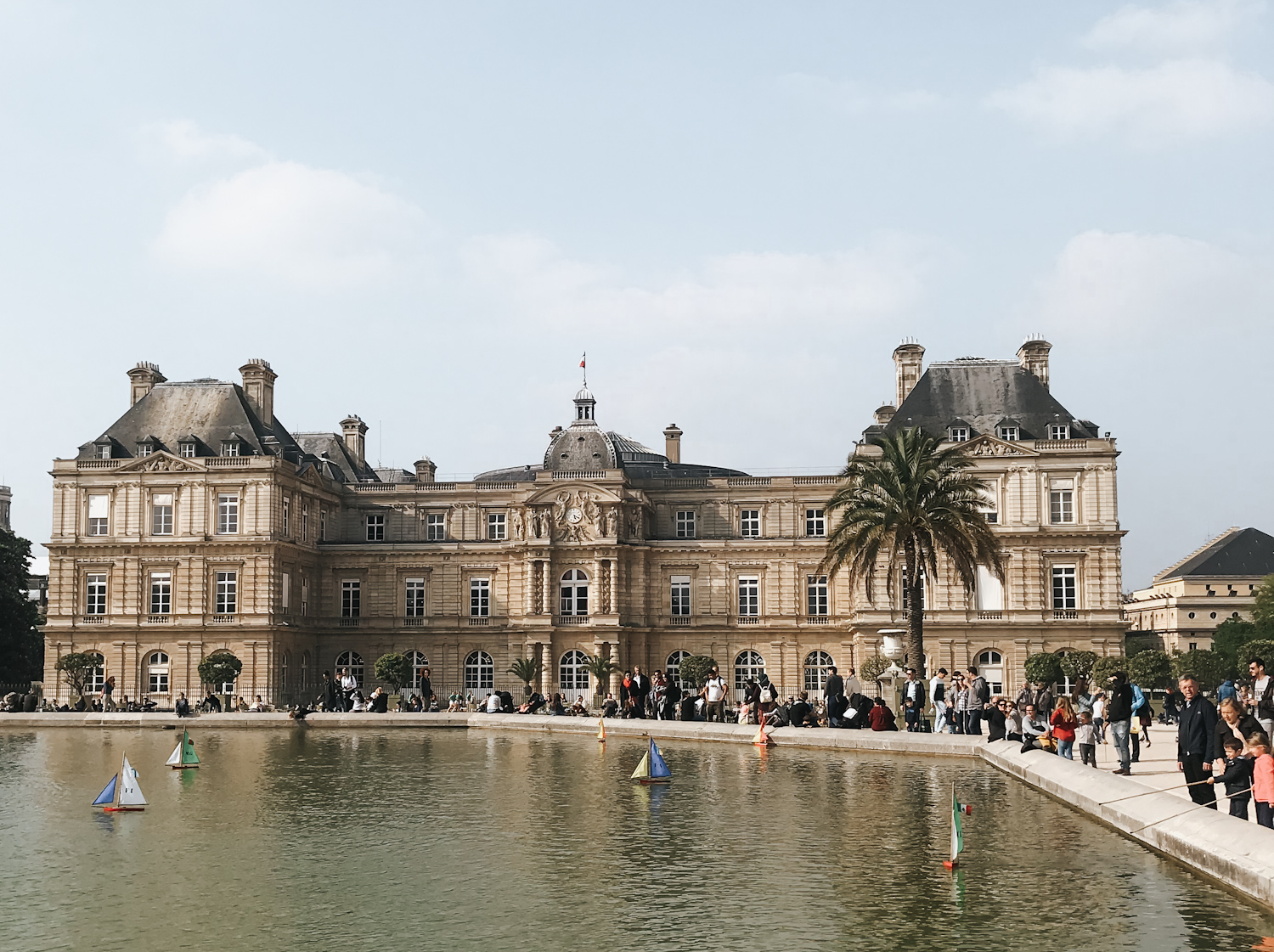
At the center of the garden, children rent small wooden sailboats and guide them across the pond with long sticks—a tradition that has delighted families for generations. We stood there watching for far longer than made any practical sense.
We never rented one.
Looking back, I wish we had.
I have a feeling that ten minutes pushing a little wooden sailboat across that pond would have become one of our daughter’s favorite memories of Paris.
Sometimes, in the middle of trying to experience a city well, it’s easy to forget that the simplest moments often become the ones your children remember most.
There was no reason to hurry.
Behind the pond rises the Luxembourg Palace. Tree-lined paths stretch in every direction. Children laugh, parents linger on the iconic green chairs beneath the trees, and Paris seems, for just a little while, to slow its pace.
It has the feeling of a place that has been loved for a very long time and expects to be loved for a very long time still.
It made us understand why people spend their whole lives trying to get back to Paris.
The Louvre—What We Got Wrong
We saved the Louvre for our last full day in Paris.
In retrospect, that was our first mistake.
Our second was assuming we could simply buy tickets when we arrived. We were traveling in what we thought would be a slightly quieter season, and we convinced ourselves it wouldn’t be a problem.
It was.
The line stretched on for hours. By the time we reached the entrance, we realized we’d spend most of the afternoon waiting and have very little time inside.
So we made the difficult decision to leave.
Our daughter was disappointed.
So were we.
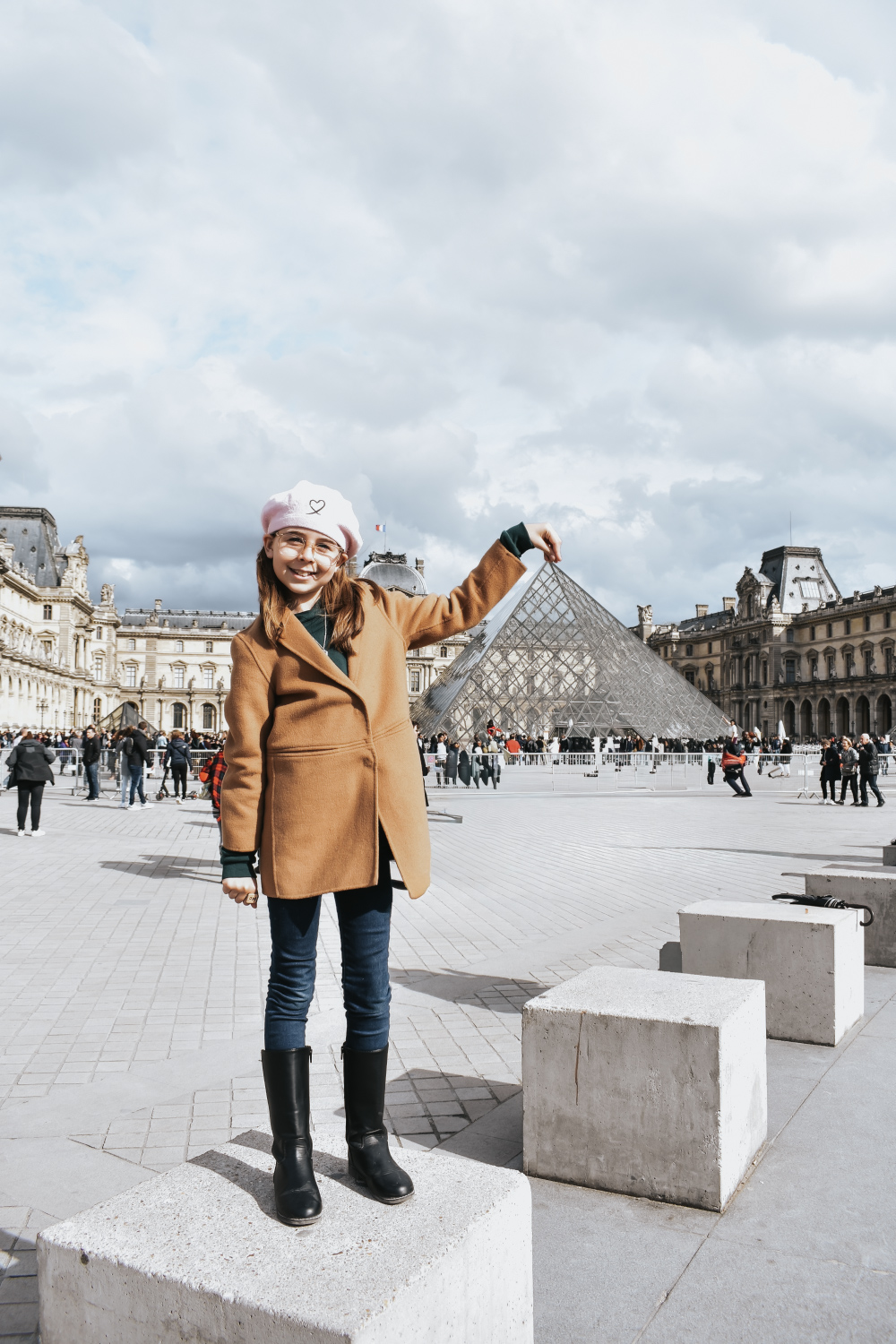
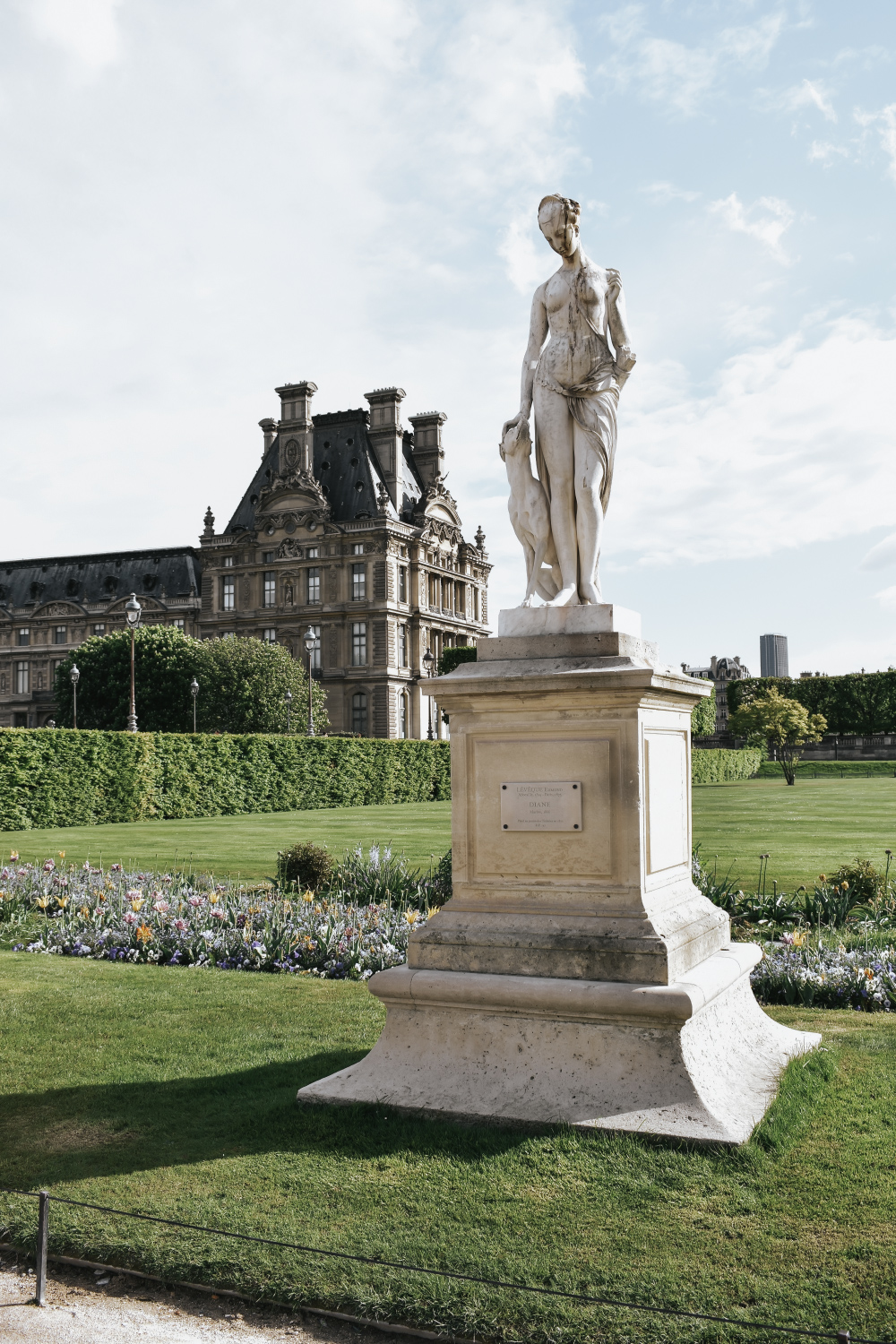
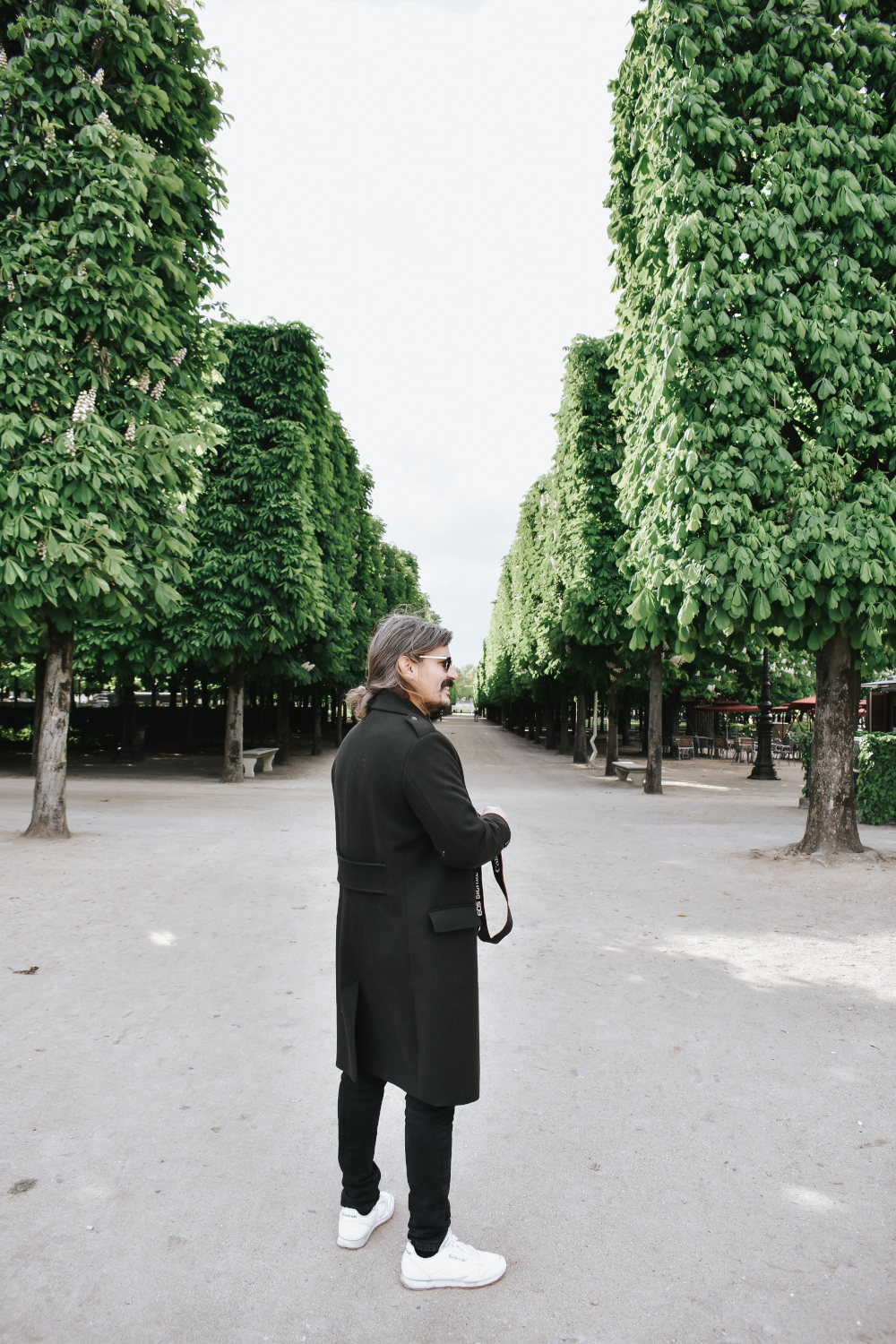
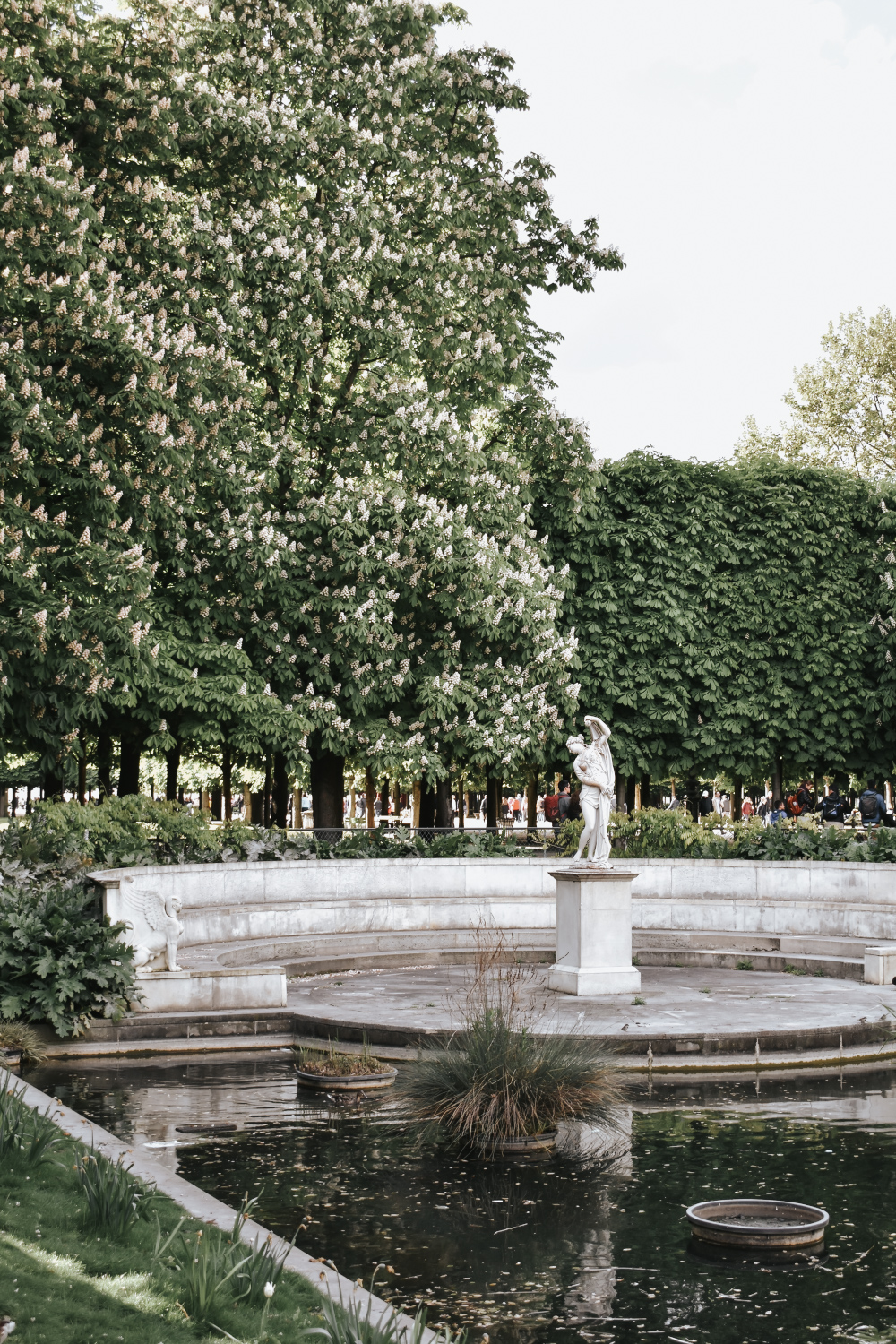
Instead, we wandered through the Tuileries Garden, which surrounds the museum and is beautiful in its own right. We lingered far longer than we had planned, explored the toy shops nearby, and slowly let go of the disappointment.
The afternoon recovered.
The Louvre did not become one of our favorite memories of Paris.
Learning when to let go of our plans did.
If you’re planning your first trip to Paris, reserve your Louvre tickets before you book almost anything else. Don’t assume the line will be manageable.
It won’t be.
The Last Day
We spent our last day the way we had spent much of the trip—walking slowly, without a particular destination. Along the Seine, past the booksellers and art displays that line the river, through streets we hadn’t yet explored.
By then we had learned something about Paris.
It isn’t a city that asks to be conquered. It asks to be noticed.
The beauty isn’t reserved for museums or monuments. It’s scattered across ordinary corners, neighborhood cafés, quiet churches, hidden courtyards, and streets that never appear on anyone’s itinerary.
It was our first trip overseas, and there was certainly a learning curve. We missed the Louvre. We underestimated the walk to the Eiffel Tower. Notre-Dame became an entirely different experience than we had imagined.
And yet those weren’t the things that defined the trip.
We stood together beneath the stained glass of Sainte-Chapelle. We watched the city unfold from the Arc de Triomphe. We wandered through Père Lachaise, descended into the Catacombs, and spent an afternoon doing almost nothing in the Jardin du Luxembourg.
Looking back, we wouldn’t change much.
No trip is ever perfect.
Leaving Paris
We never made it into the Louvre. I still wish we’d rented one of the little wooden sailboats in the Jardin du Luxembourg. There are restaurants we never tried, neighborhoods we never reached, and countless reasons to return.
But perhaps that’s part of Paris’s charm.
A city this rich isn’t meant to be conquered in a single visit. It invites you back, not because you failed to see enough, but because you discovered there was always more worth seeing.
When we boarded the flight home, Paris was no longer something our daughter had only imagined.
It had become part of her own story.
Looking back, I don’t think she’ll remember every museum or every monument.
I think she’ll remember the silence inside Sainte-Chapelle. The grandeur of the Palais Garnier. Standing beneath the Eiffel Tower after walking halfway across the city to reach it. Watching children push little wooden sailboats across the pond in the Jardin du Luxembourg.
Those are the moments that stay with us. They’re also a reminder that the most meaningful experiences are often the ones we choose to do with care, even when no one else is watching.
Paris rewards those who slow down long enough to notice.

Read the Comments +