


Home · 9 min read
Why we believe childhood needs both freedom and formation.
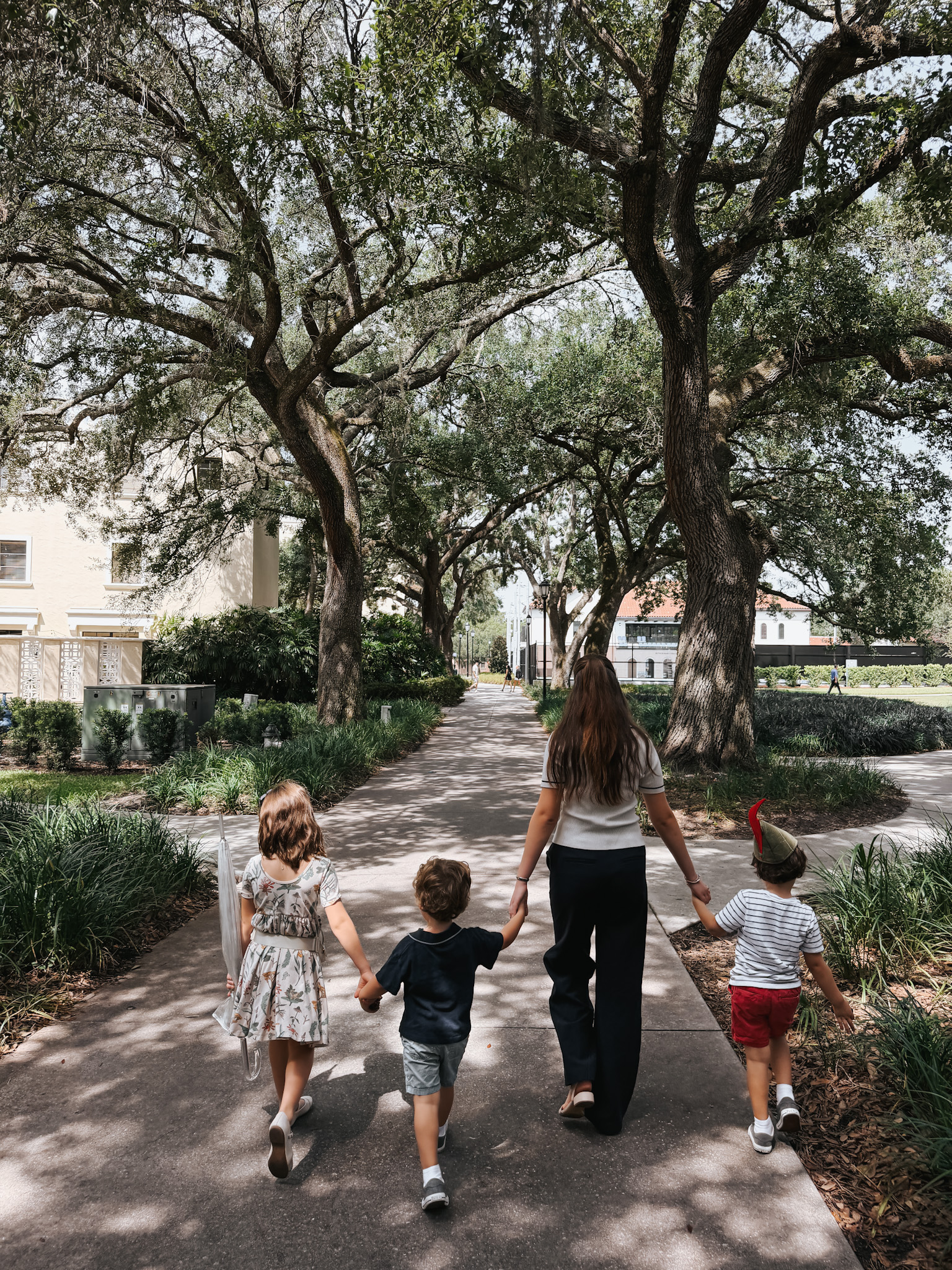
Every September, conversations about extracurricular activities for kids begin again.Every September, family calendars begin filling almost overnight.
Choosing activities for children has become one of the defining conversations of modern parenting.
Piano lessons. Dance classes. Swim lessons. Tennis practices.
Before long, childhood can begin to feel like one long exercise in logistics.
Every year, the same conversation begins again.
“Are we overscheduling our children?”
It’s a fair question. One we’ve asked ourselves more than once.
The answer depends on what we believe childhood is actually for. How we choose activities for our children has always flowed from our answer to that question.
One thing I’ve noticed is how uncomfortable we’ve become with children’s boredom. The moment they announce they have nothing to do, our instinct is often to solve the problem for them. We suggest an activity, offer a screen, or begin entertaining them ourselves.
I’ve never been convinced boredom is a problem to solve.
It has always seemed more like an invitation.
When my boys wander into the kitchen asking what they should do, they’re usually met with the same answer:
“I think you can figure something out.”
They usually wander away looking mildly disappointed that I wasn’t more helpful.
Ten minutes later, the playroom has become a pirate ship.
Or a multi-story parking garage for Matchbox cars.
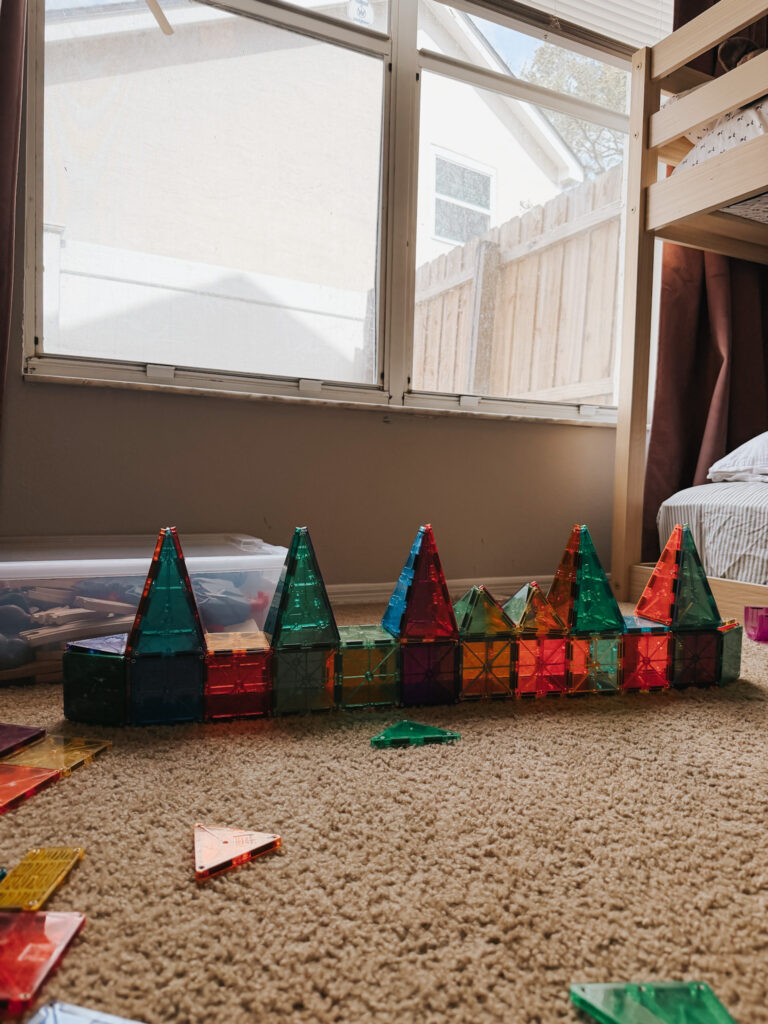
Or an entire city built from Magna-Tiles.
Apparently, boredom wasn’t the emergency they thought it was.
Our oldest disappears in a different direction.
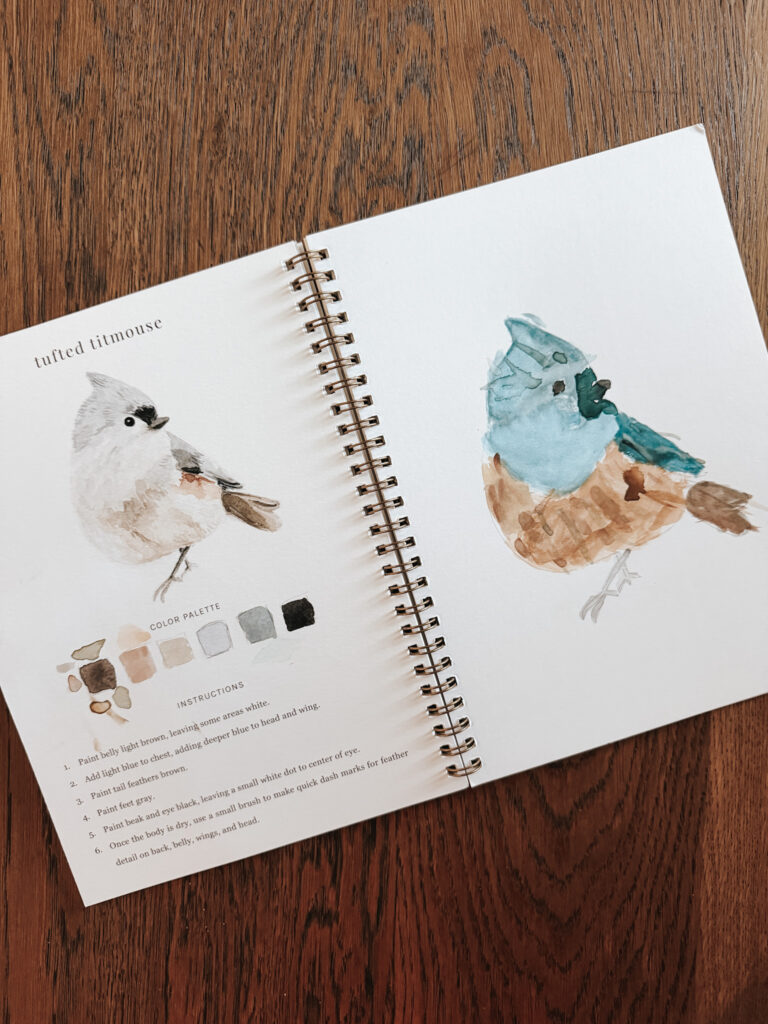
Usually with watercolors.
She settles into watercolor books with just enough instruction to give her confidence without taking away the joy of discovering things herself. Before long, the house grows unusually quiet.
Other afternoons, she’s disappeared into a chapter book while the boys “read” their favorite picture books from memory, turning the pages at exactly the right moments, convinced they’re doing precisely what their big sister does.
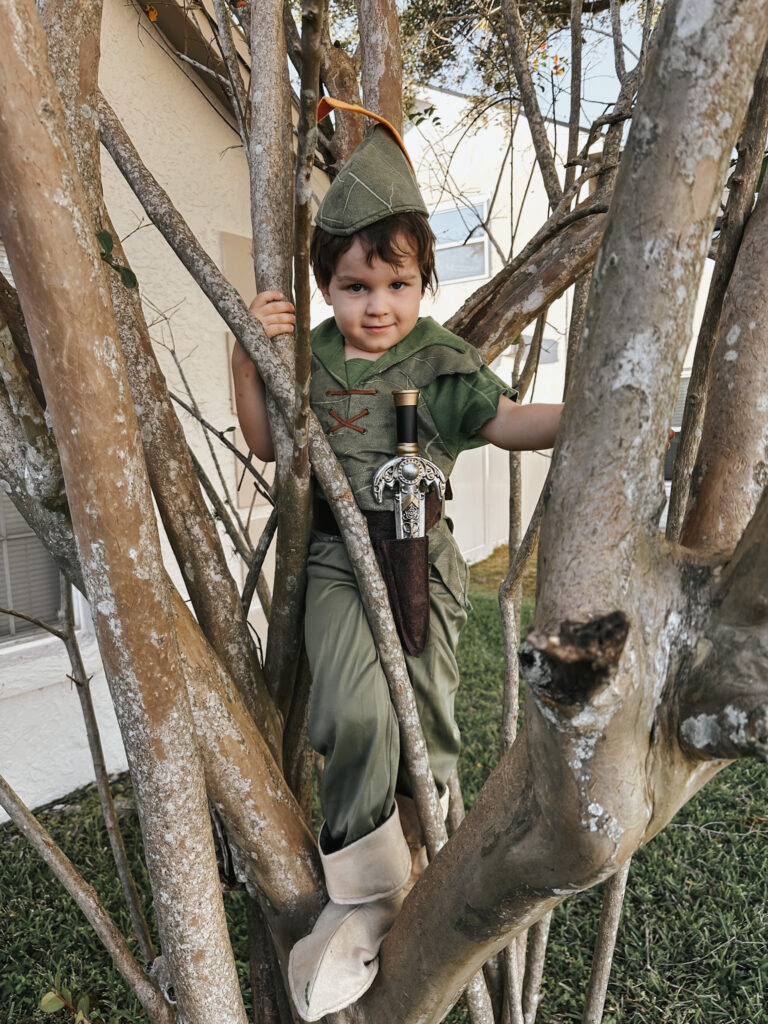
Dress-up clothes are in constant rotation through our house. Peter Pan has become something of a permanent resident, thanks to our four-year-old, who spends a remarkable amount of his childhood recruiting the rest of us into adventures involving Lost Boys, pirates, and Captain Hook.
I don’t think any of that time is wasted.
Quite the opposite.
It’s some of the most important work of childhood.
But I also believe childhood is one of the greatest opportunities we’ll ever have to introduce children to difficult things. That conviction has shaped our family in more ways than one, much like our belief that some things are worth doing properly even when no one else is watching.
Not instead of free play.
Alongside it.
Childhood Is a Short Season
One of the strangest things about parenting is how slowly childhood unfolds while you’re living it.
Another piano lesson.
Another afternoon at the pool.
Another pirate ship built from Magna-Tiles.
Then one day your daughter is reading chapter books.
Your son is swimming underwater.
The little things weren’t so little after all.
That’s why my husband and I keep returning to one question:
Who are they becoming?
There’s Nothing More Fun Than Competence
I’ve started noticing that some of my children’s happiest moments happen immediately after they’ve done something difficult.
It’s almost never while they’re doing the thing.
It’s immediately afterwards.
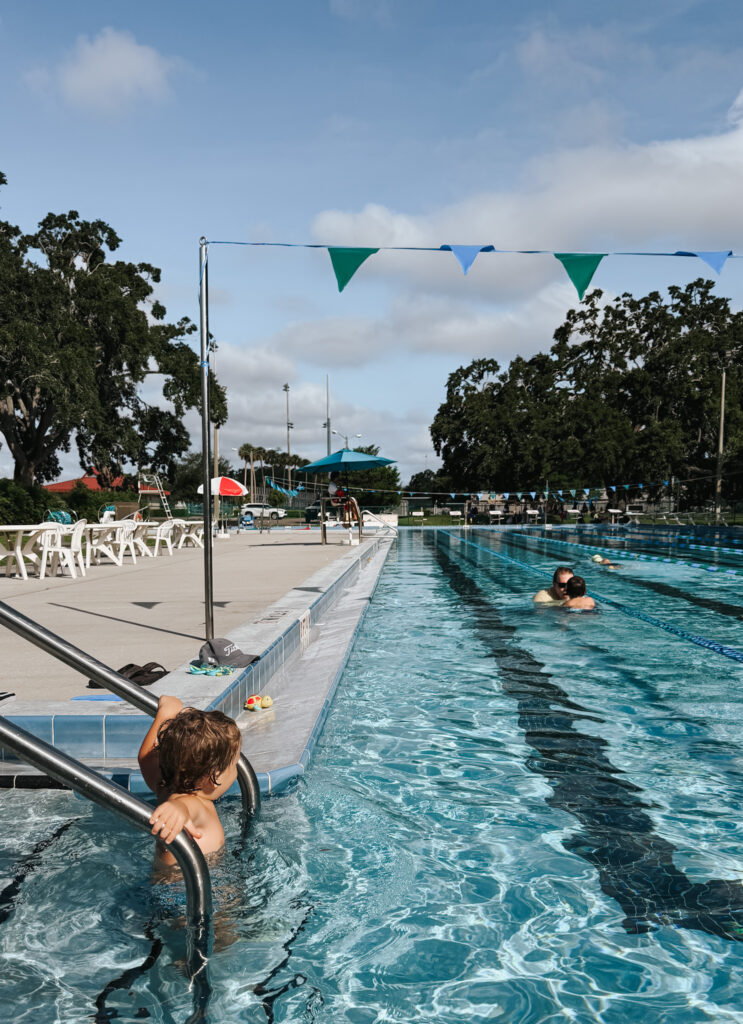
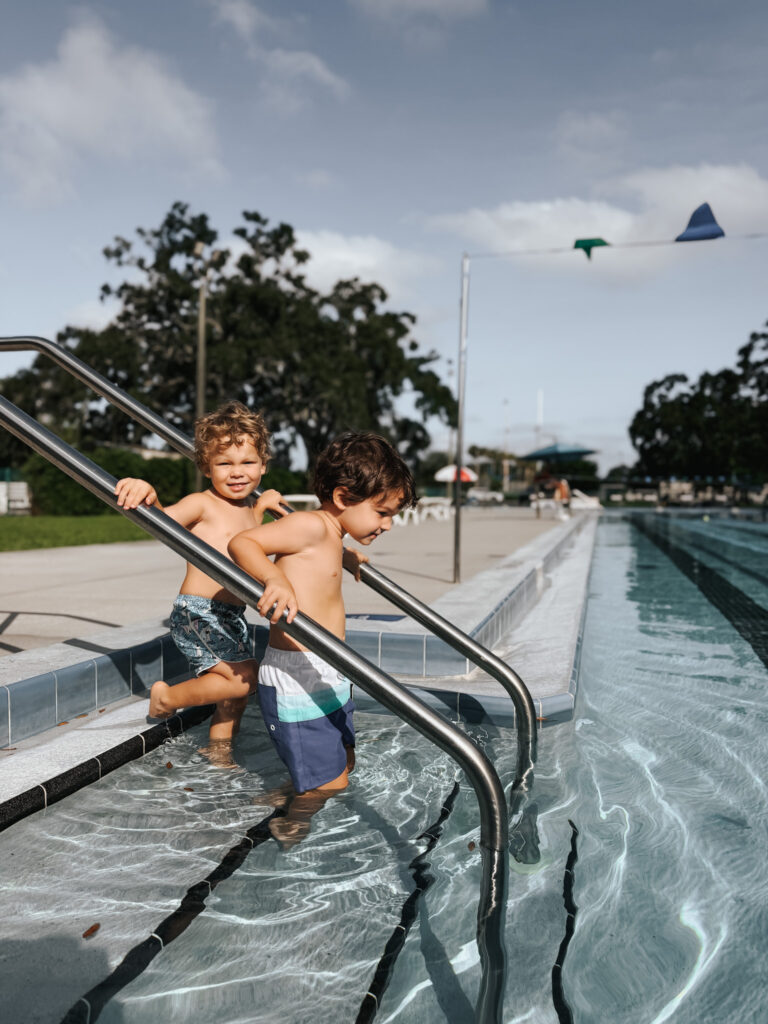
Our four-year-old recently learned to swim underwater.
For weeks, every trip to the pool was punctuated by the same excited voice:
“Mom! Look at this!”
Again.
And again.
And again.
Every successful dive deserved another demonstration.
Not because someone had applauded him.
Because he had discovered he could do something he couldn’t do before.
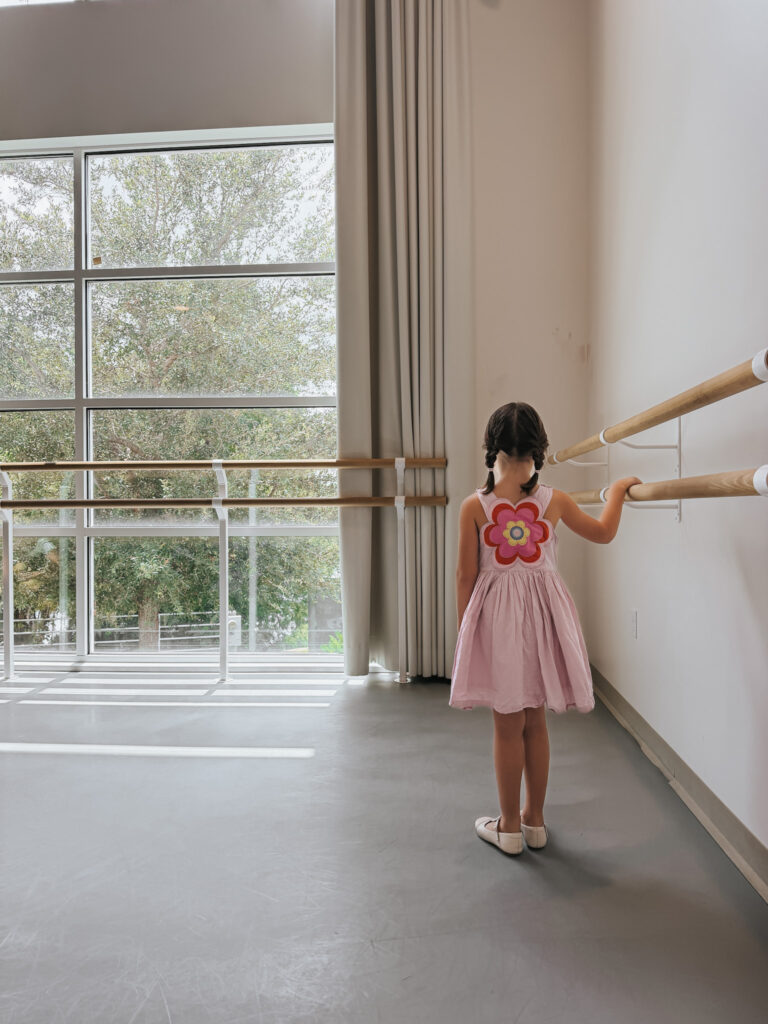
Our daughter came home from her first real ballet class and spent the rest of the evening demonstrating everything she had learned between bites of dinner on the patio of one of our favorite restaurants.
Not because we asked.
Because she couldn’t wait.
A few months earlier, she’d been working through the most difficult piano piece she’d attempted so far.
Then one afternoon she stopped halfway through, looked up with a smile, and said,
“This is Ode to Joy!”
The collection of notes she’d been working through had suddenly become music she recognized.
Moments like those have convinced me of something.
Confidence is usually earned before it’s felt.
Children don’t become confident because we constantly reassure them that they’re capable.
They become confident because they repeatedly discover that they are.
How We Choose Extracurricular Activities for Our Kids
We weren’t looking for activities that would make our children impressive.
We were looking for experiences that would widen their world.
We wanted each one to cultivate something different.
Not because every child needs to play tennis or learn the piano, but because no single activity can form a whole person.
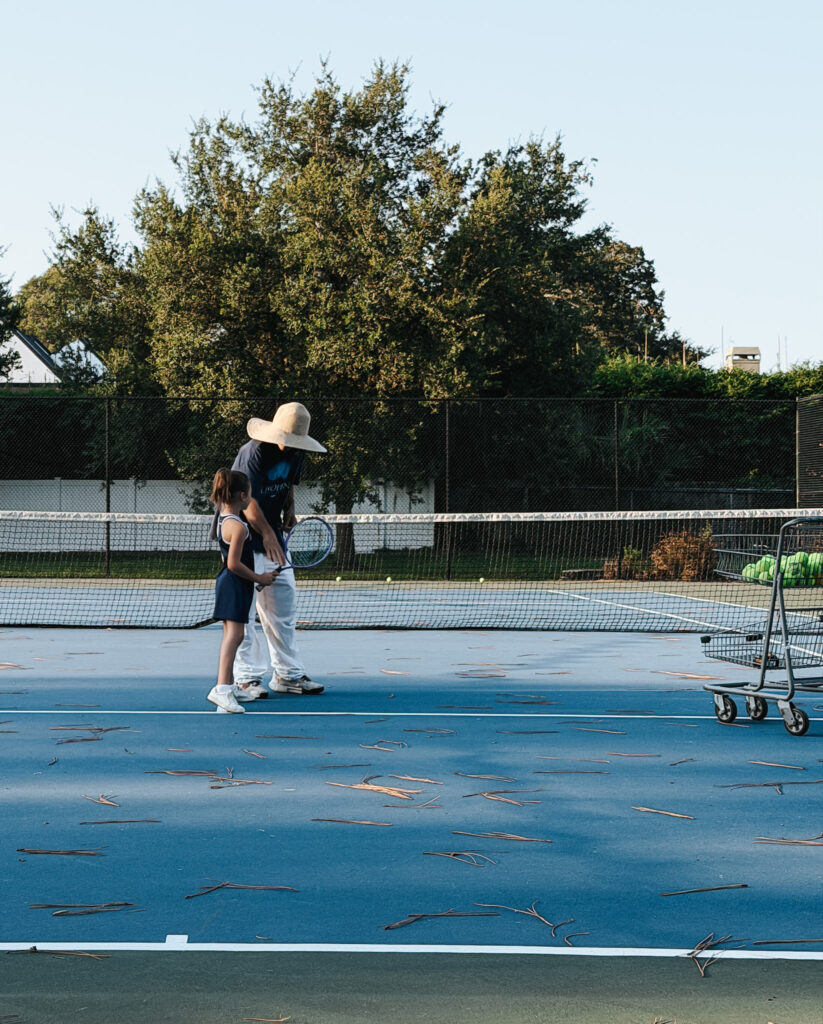
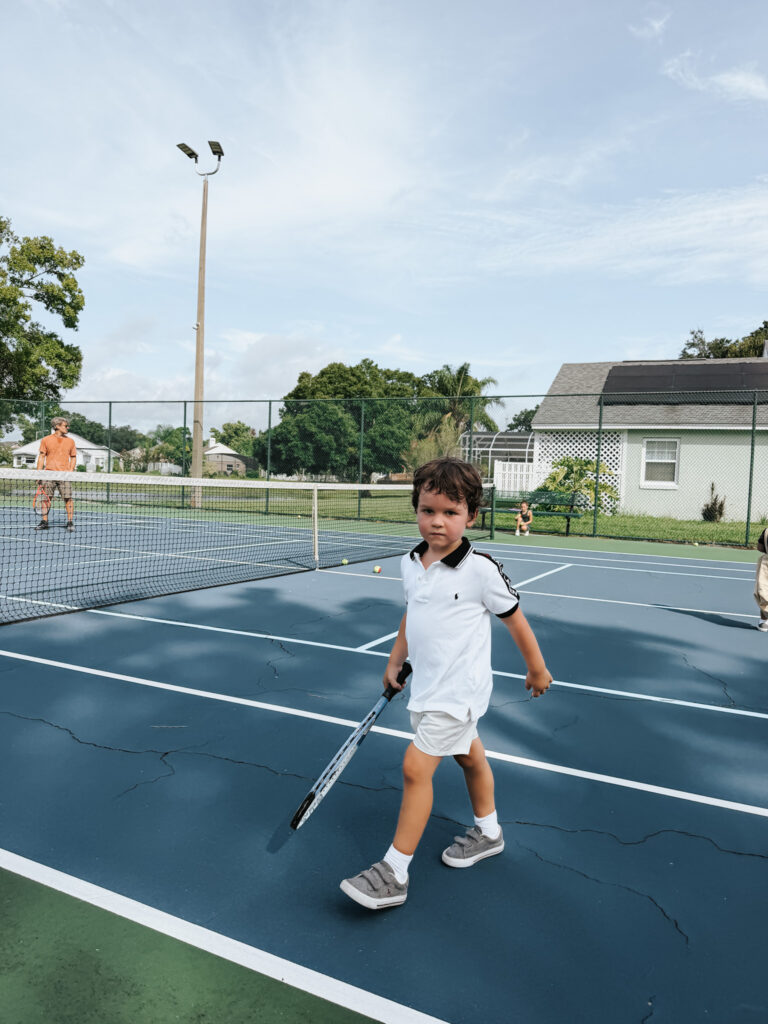
Tennis develops coordination, discipline, and perseverance. It’s also a sport we genuinely enjoy as a family. Every couple of weeks you’ll find us at the neighborhood courts simply hitting balls back and forth, and at home we’ll occasionally watch old matches together so our children slowly become familiar with a game we’ve come to love.
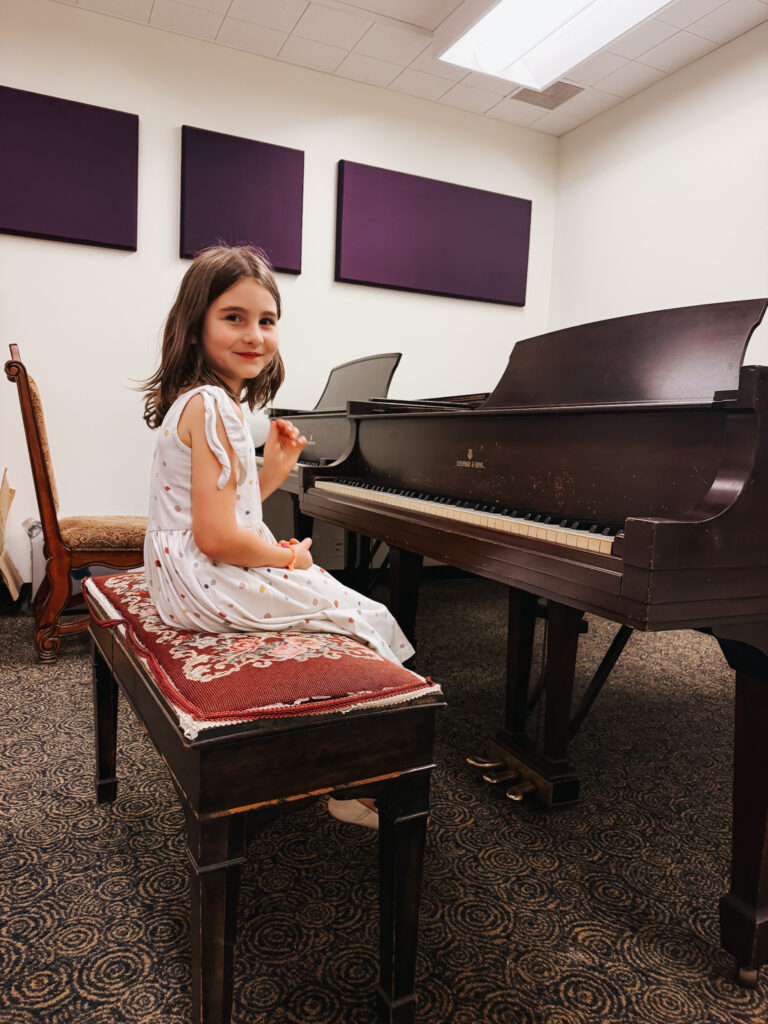
Piano develops something entirely different. I’ve long believed every child benefits from learning an instrument, and the piano provides an extraordinary foundation. Our daughter studies through the Royal Conservatory of Music curriculum at Rollins, and while she may one day choose another instrument, we’ve always wanted the piano to serve as a strong musical foundation rather than a final destination.
A beginning.
Ballet introduces grace, strength, balance, and beauty expressed through movement.
Swimming is perhaps the most practical of all. It’s a life skill every child should have, but it’s also one of the healthiest forms of exercise they’ll ever learn.
Will every one of our children continue these activities into adulthood?
Probably not.
We don’t expect them to.
We simply hope each one leaves something behind.
What These Activities Are Really For
One piano lesson.
One afternoon with watercolors.
One pirate ship.
One swimming lesson.
One tennis match.
None of those moments feels especially important while you’re living them.
Looking back, I suspect they are.
We don’t really care whether our children become tennis players.
Or pianists.
Or dancers.
We care that they become the kinds of people who know how to learn difficult things.
Who aren’t frightened by hard work.
Who recognize beauty when they encounter it.
Who understand that boredom is not an emergency.
Who have discovered, over and over again, that they are capable of more than they first believed.
Tomorrow afternoon, one of my children will probably wander into the kitchen and tell me they’re bored.
I’ll probably tell them to figure something out.
Someone will build another pirate ship.
Someone will disappear into a watercolor book.
Someone will ask me to watch something they’ve only just learned to do.
It won’t feel especially significant.
Most good childhoods don’t while you’re living them.
But I suspect those ordinary afternoons are doing exactly what we hope they are.
FAQ
How do I choose activities for my child?
Choose activities that develop different aspects of your child rather than simply filling their schedule. In our family, we look for a balance of physical activity, music, beauty, practical life skills, and plenty of time for independent play.
How many extracurricular activities should a child have?
There isn’t one right number. We think the better question is whether your child still has enough time for free play, family life, and rest while being challenged to learn new skills.
Should children have free play and extracurricular activities?
We believe they need both. Independent play develops imagination and creativity, while lessons and activities teach perseverance, discipline, and confidence. They aren’t competing ideas—they complement one another.
What are the best extracurricular activities for kids?
The best activities are the ones that fit your child’s interests while exposing them to different kinds of growth. In our family, we’ve chosen tennis, piano, ballet, and swimming because each develops something different.



Read the Comments +